A non-fungible token (NFT) is a unique digital identifier recorded on a blockchain. By providing verifiable proof of ownership, NFTs allow physical and digital items to be securely authenticated and traded across the internet.
The introduction of blockchain technology created a secure way to transfer digital money without a central bank. However, the ecosystem quickly expanded beyond standard financial transactions to address a different challenge: proving ownership of unique items on the internet. This problem was solved through the creation of the non-fungible token, or NFT.
While NFTs initially gained mainstream attention as highly speculative digital artwork and profile pictures, the underlying technology serves a much broader purpose. Today, these tokens are utilized by major corporations, ticketing platforms, and financial institutions to establish secure, verifiable ownership for a wide range of digital and physical assets.
What Is a Non-Fungible Token?
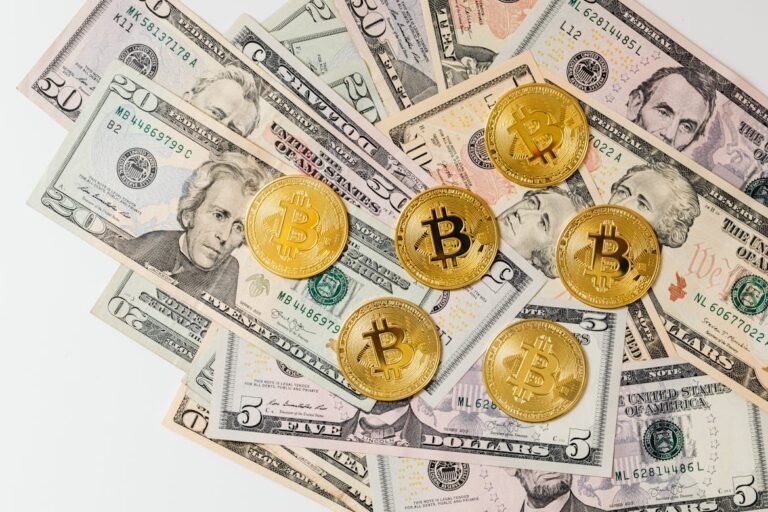
To understand an NFT, it is helpful to first define the concept of fungibility. An asset is considered fungible if it is mutually interchangeable with another identical item. Traditional money and conventional cryptocurrencies are fungible. One US dollar is equal to any other US dollar, and one Bitcoin can be swapped for another Bitcoin without any change in value or utility.
A non-fungible token is the exact opposite. It is a completely unique digital asset that cannot be substituted for another. If a cryptocurrency is the digital equivalent of a dollar bill, an NFT is the digital equivalent of an original painting or a specific airline ticket. It contains distinct information that separates it from every other token on the blockchain, ensuring absolute digital scarcity.
How NFTs Work on the Blockchain
An NFT is essentially a digital certificate of authenticity. It is created, or “minted,” using a smart contract on a blockchain network such as Ethereum or Solana. The smart contract assigns the token a unique cryptographic identifier and links it to specific metadata. This metadata contains the details of the asset, such as a digital image file, a legal contract, or the attributes of an in-game item.
Because this information is stored on a public distributed ledger, the ownership history of the NFT is entirely transparent and immutable. Anyone with an internet connection can verify who created the token, who currently owns it, and exactly when it changed hands. This cryptographic provenance makes it nearly impossible to counterfeit an NFT, even if the underlying digital file, like an image or video, can be easily copied and saved by others.
The Evolution Beyond Digital Art
The early NFT market was dominated by digital art collections and profile picture projects. These assets were largely driven by cultural hype, social media status, and speculative trading. However, the industry has since matured, shifting its focus from pure speculation toward functional utility and enterprise adoption.
Modern NFTs frequently represent membership passes, software licenses, or digital identity credentials. For example, a ticketing company might issue event tickets as NFTs to prevent scalping and fraud, while a luxury fashion brand might include an NFT with a physical handbag to prove its authenticity. This evolution highlights how the technology functions primarily as a secure data layer rather than just a medium for internet collectibles.
The Role of NFTs in Gaming and Web3
The gaming industry represents one of the most natural fits for NFT technology. In traditional video games, players spend significant time and money acquiring digital assets like character skins, weapons, and virtual real estate. However, these items ultimately reside on corporate servers, meaning the player does not actually own them and cannot easily sell them for real-world value.
By integrating NFTs, game developers can give players true ownership of their in-game assets. If a virtual item is an NFT, the player holds it in their own digital wallet. They can take that item out of the game’s ecosystem and trade it on a public, decentralized marketplace. This creates dynamic, player-driven economies that operate independently of the original game developer.
Real-World Asset Tokenization
One of the most significant developments in the NFT space is the tokenization of Real-World Assets, or RWA. This process involves using an NFT to represent legal ownership of a physical asset, such as a piece of commercial real estate or a rare physical collectible.
By tying a physical item to an NFT, traditionally illiquid markets become highly accessible. For instance, a property can be fractionalized into multiple NFTs, allowing retail investors to buy smaller shares of a building. The blockchain handles the transfer of ownership instantly, eliminating the need for expensive intermediaries, title companies, and lengthy settlement periods typically associated with legacy financial systems.
Risks and Security Considerations
Despite their technological advantages, NFTs carry unique risks. The most prominent is the issue of extreme illiquidity. Unlike major cryptocurrencies, which have constant buyers and sellers, an NFT is only worth what a specific individual is willing to pay for it at a given moment. During market downturns, NFT holders may find it impossible to sell their assets, regardless of their perceived value.
Security is also a major concern. Because users maintain self-custody of their NFTs within digital wallets, they are frequent targets for phishing scams. If a user inadvertently signs a malicious smart contract, their entire collection can be drained instantly without any recourse. Additionally, if the external server hosting the NFT’s metadata or image file goes offline, the token itself may point to a broken link, rendering the asset functionally worthless.
In Conclusion
Non-fungible tokens represent a fundamental shift in how digital ownership is defined and enforced. By applying the security of blockchain technology to unique items, NFTs allow for the creation, verification, and transfer of digital property without centralized intermediaries.
While the speculative frenzy surrounding early digital art has largely subsided, the underlying technology has proven its resilience. From overhauling event ticketing and digital identity to establishing true ownership in video games and tokenizing real estate, NFTs are steadily becoming a foundational component of the modern digital economy. For investors and users, understanding the distinction between functional utility and speculative hype is essential when navigating this evolving market.