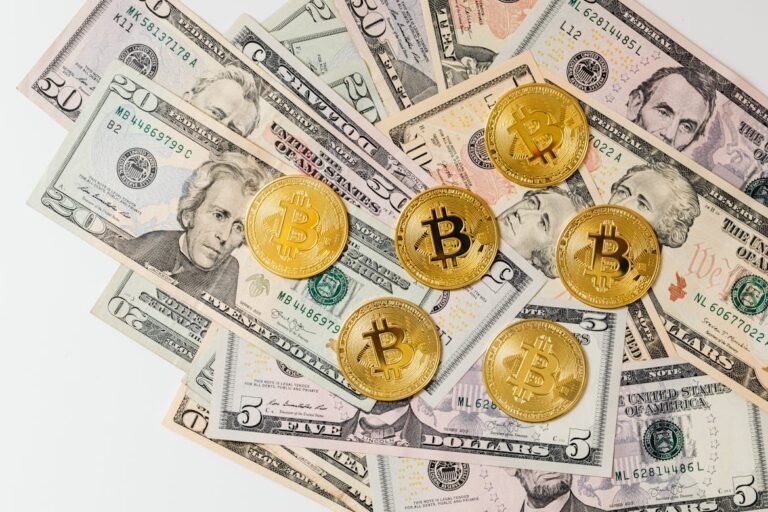
Memecoins represent a highly speculative sector of the digital asset market driven primarily by internet culture and social media sentiment. Photo: Pexels
A memecoin is a type of cryptocurrency that derives its value primarily from internet culture and social media trends rather than fundamental technological utility or institutional adoption.
The cryptocurrency market is broadly categorized into assets designed to serve specific technological or financial functions, such as decentralized finance protocols or global payment networks. However, a significant and highly visible sub-sector of this market operates on entirely different principles, focusing on digital culture and collective sentiment rather than software engineering.
These assets are commonly known as memecoins. While they utilize the same underlying blockchain infrastructure as major digital assets, their market dynamics are driven almost exclusively by internet trends, social media engagement, and speculative trading. Understanding this asset class requires looking beyond traditional financial metrics and examining the modern attention economy.
What Is a Memecoin?
A memecoin is a digital currency that originates from an internet meme, a viral image, or a specific piece of online culture. The most prominent early example is Dogecoin, which was created in 2013 as a satirical critique of the proliferation of alternative cryptocurrencies. Despite its origins as a joke, it garnered a massive community and eventually achieved a multi-billion-dollar market capitalization.
Unlike traditional financial instruments or utility-focused digital assets, a memecoin is not typically designed to solve a technical problem or streamline a financial process. Instead, it functions as a highly speculative tradable asset whose value is tied entirely to community participation. The primary utility of a memecoin is often just the act of holding and trading it within a shared online community.
How Memecoins Operate on the Blockchain
From a technological standpoint, memecoins function exactly like other cryptocurrencies. A small number operate on their own independent blockchain networks maintained by a dedicated group of miners. However, the vast majority of modern memecoins are created simply as digital tokens deployed on top of existing smart contract platforms.
Networks such as Ethereum and Solana are the most common hosts for these assets. Developers utilize standardized token protocols to deploy a new memecoin in a matter of minutes. This ease of creation is a defining characteristic of the sector, leading to the deployment of thousands of new tokens daily during periods of high market enthusiasm.
Once deployed, these tokens rely on decentralized exchanges to establish a market price. Creators pair the newly minted memecoin with an established asset, such as a stablecoin or native network token, within an automated market maker liquidity pool. This allows retail traders to begin swapping the asset immediately without the need for a centralized exchange listing.
What Makes Memecoins Different from Bitcoin and Ethereum
The fundamental difference between a memecoin and foundational digital assets like Bitcoin or Ethereum lies in utility and economic design. Bitcoin was engineered to be a decentralized store of value with a strictly capped supply of twenty-one million coins. Ethereum was built to function as a global, decentralized computing platform for institutional and retail smart contracts.
Memecoins generally lack this foundational purpose. Furthermore, their tokenomics are often designed for extreme abundance. It is common for a memecoin to have a maximum supply in the trillions or quadrillions. This results in individual token prices that appear artificially cheap, often trading for fractions of a penny, which appeals to retail investors seeking assets capable of generating massive percentage gains.
The Role of Social Media and Community Sentiment
Traditional financial assets are typically valued based on discounted cash flows, corporate earnings, or macroeconomic indicators. Memecoins are valued almost entirely by social media sentiment and community momentum. Platforms like Twitter, Reddit, and Telegram serve as the primary venues where these communities organize and generate attention.
Because their value is untethered from fundamental business metrics, memecoin prices are highly sensitive to external catalysts. A single social media post from a high-profile individual can cause the price of a memecoin to double or collapse within hours. This dynamic creates a market environment where momentum and viral marketing are the primary drivers of capital allocation.
Why Memecoins Matter in the Digital Asset Economy
Despite their lack of traditional utility, memecoins play a significant role in the broader cryptocurrency ecosystem. They serve as a primary onboarding funnel for new retail participants. The low barrier to entry and the cultural familiarity of internet memes often attract individuals who might otherwise be intimidated by the technical complexities of decentralized finance.
Additionally, memecoins act as extreme stress tests for blockchain networks. When a specific token gains viral popularity, it generates massive transaction volume. This sudden influx of activity tests the scalability, transaction fees, and general resilience of the underlying blockchain. Networks that successfully handle memecoin frenzies often prove their technological capacity for more serious, high-frequency financial applications.
Risks and Limitations of Speculative Tokens
The memecoin sector is widely considered the highest-risk category within the digital asset market. Because these tokens lack a fundamental floor price derived from utility or revenue, their value can easily drop to zero once the cultural trend fades or the community loses interest. The extreme volatility makes them unsuitable for long-term capital preservation.
Furthermore, the low cost and ease of creating these tokens make the sector highly susceptible to fraud. A common malicious tactic is the rug pull, where a developer creates a token, heavily promotes it on social media to attract retail capital, and then abruptly withdraws all the liquidity from the decentralized exchange. This leaves investors holding worthless tokens that they can no longer sell on the open market.
In Conclusion
Memecoins represent a unique intersection of global financial markets and digital internet culture. They demonstrate how decentralized networks can be used to monetize attention and community sentiment on a massive scale. While they lack the institutional utility of major blockchain protocols, their impact on market liquidity and retail onboarding remains a prominent feature of the industry.
For participants navigating the digital asset space, it is crucial to recognize memecoins as highly speculative trading instruments rather than traditional investments. Engaging with this sector requires an understanding that value is driven entirely by fleeting social dynamics, making it a high-risk environment that operates separately from the fundamentals of blockchain technology.