What is Bitcoin: A Beginner’s Guide to the World’s First Cryptocurrency
By David Walker• 5 mins read
Published:
, Updated:
Bitcoin introduced a new model for moving and storing value online without banks or central issuers. For beginners, it remains the clearest starting point for understanding how the digital asset market was built.
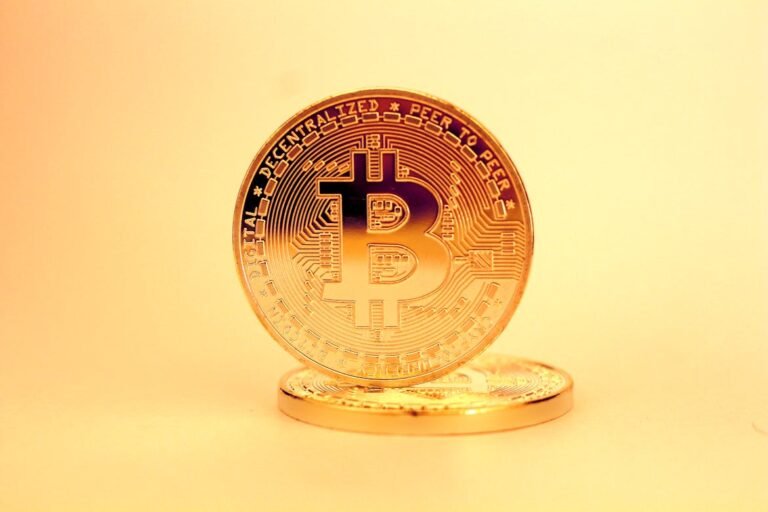
Bitcoin is the original cryptocurrency and the asset that introduced blockchain-based money to a global audience. Created in 2009, it offered a way to send and store value online without relying on banks, payment networks, or other centralized intermediaries. For beginners, Bitcoin remains the most important starting point because it explains the core idea behind the entire crypto market.
Bitcoin matters because it introduced a new monetary model. Instead of trusting a central institution to manage balances and verify transfers, users rely on a decentralized network and a public blockchain. That shift turned Bitcoin into both a financial asset and a technology that changed how people think about money on the internet.
What Is Bitcoin?
Bitcoin is a decentralized digital currency that allows people to send value directly to one another. It operates on a peer-to-peer network, which means transactions can be processed without a bank or central payment company sitting in the middle. The system is powered by open-source software and maintained by a distributed network of computers.
Bitcoin was introduced under the name Satoshi Nakamoto, the pseudonymous creator who published the white paper in 2008. While Nakamoto’s identity remains unknown, the invention itself became the foundation of the modern cryptocurrency market. Every major digital asset that followed entered a space that Bitcoin created first.
How Bitcoin Works
Bitcoin runs on a public ledger called the blockchain. Every confirmed transaction is added to that ledger, creating a record of ownership and transfers across the network. Because the blockchain is shared and public, users can verify transactions without depending on a central authority.
The network is secured through mining, a process in which participants use computing power to validate transactions and add new blocks to the chain. In return, miners may receive newly issued bitcoin and transaction fees. This process is also what helps enforce Bitcoin’s monetary rules and keeps the network resistant to manipulation.
Why Bitcoin Has Value
Bitcoin is often described as valuable because it combines scarcity, decentralization, and global transferability. Unlike fiat currencies, which can be issued in larger quantities by central banks, Bitcoin has a fixed maximum supply of 21 million coins. That built-in scarcity is one of the main reasons many investors compare it to digital gold.
Value also comes from utility and belief. Bitcoin can be transferred across borders, held outside the banking system, and accessed by anyone with an internet connection and the right credentials. Over time, that combination helped Bitcoin evolve from a niche experiment into a globally recognized asset.
How Bitcoin Differs From Traditional Money
Traditional money systems rely on governments, central banks, and financial institutions. Those entities issue currency, maintain payment rails, and manage account access. Bitcoin works differently because ownership and transfers are managed by the network itself rather than by a central operator.
That does not mean Bitcoin replaces the traditional system in every way. It does mean that Bitcoin offers an alternative model – one where users can hold and move value without asking a bank for permission. For beginners, this is the key conceptual shift that makes Bitcoin different from ordinary digital payments.
How People Buy and Store Bitcoin
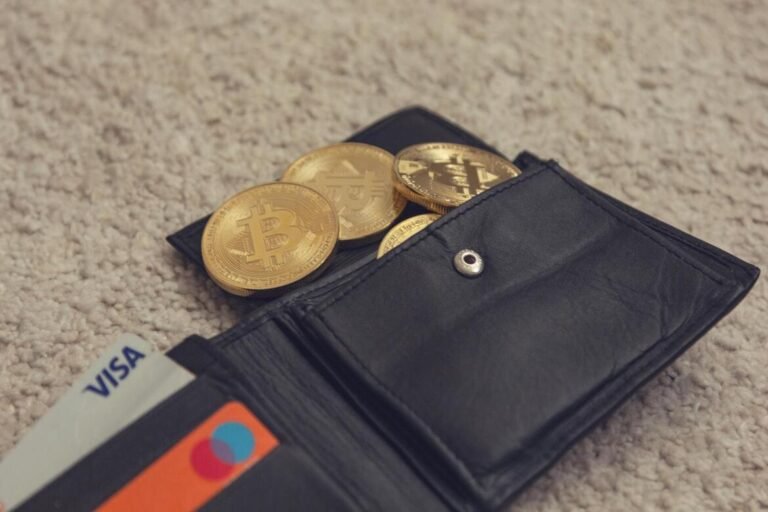
Most people buy Bitcoin through a crypto exchange, brokerage app, or other digital asset platform. Others receive it as payment for goods and services. Once acquired, Bitcoin can either remain with a custodial provider or be moved into a personal wallet.
Storage is one of the most important beginner topics. Bitcoin is controlled through private keys, which are the credentials required to access and move funds. If a third party controls the keys, that third party controls the Bitcoin. If a user controls the keys directly, the user has full ownership – but also full responsibility for security.
Risks Beginners Should Understand
Bitcoin is the oldest cryptocurrency, but it is still volatile. Prices can move sharply in short periods, and sentiment in the wider crypto market can affect Bitcoin just as macroeconomic conditions can. Beginners should understand that Bitcoin is not a guaranteed store of wealth and should not be treated like cash.
Security is another major risk. Scam websites, phishing attacks, lost private keys, and poor custody practices can all lead to permanent losses. Because Bitcoin transactions are difficult to reverse, mistakes can be costly. That is why careful wallet management and a basic understanding of how transactions work are essential before putting serious money into the asset.
Why Bitcoin Still Matters
Bitcoin remains the most recognized cryptocurrency because it solved a problem that had challenged digital money for years: how to create scarce internet-native value without a central authority. Even as the market expanded into altcoins, smart contracts, and decentralized finance, Bitcoin stayed at the center of the conversation.
It also remains the benchmark asset in crypto. Retail investors, institutions, and policymakers all continue to treat Bitcoin as the reference point for the broader digital asset sector. For many people, learning Bitcoin is not just learning about one coin – it is learning the basic logic that made crypto possible.
In Conclusion
Bitcoin’s importance lies not only in being first, but in proving that money can exist and move online without a central issuer. That idea reshaped finance, technology, and investing, and it continues to influence how the world thinks about digital assets. For beginners, Bitcoin remains the most logical place to start because it explains why crypto exists in the first place.
Understanding Bitcoin means understanding the foundation of the modern digital asset market. Even if the broader crypto industry keeps evolving, Bitcoin still provides the clearest introduction to decentralized money, blockchain-based ownership, and the economic ideas that define the sector.