
Bitcoin Rally During Iran Conflict Sparks Debate over Hidden Supply Shock
Bitcoin’s rebound during the Iran conflict highlights shifting market dynamics, with liquidity, dollar strength, and potential supply disruptions shaping price action.
Liquidity describes how easily an asset can be bought or sold without significantly affecting its price. In crypto markets, high liquidity allows for smoother trading and more stable pricing. Liquidity is influenced by trading volume, market depth, and the number of active participants. Many DeFi platforms rely on liquidity pools rather than traditional order books. Strong liquidity is essential for healthy and efficient markets.
Bitcoin’s rebound during the Iran conflict highlights shifting market dynamics, with liquidity, dollar strength, and potential supply disruptions shaping price action.
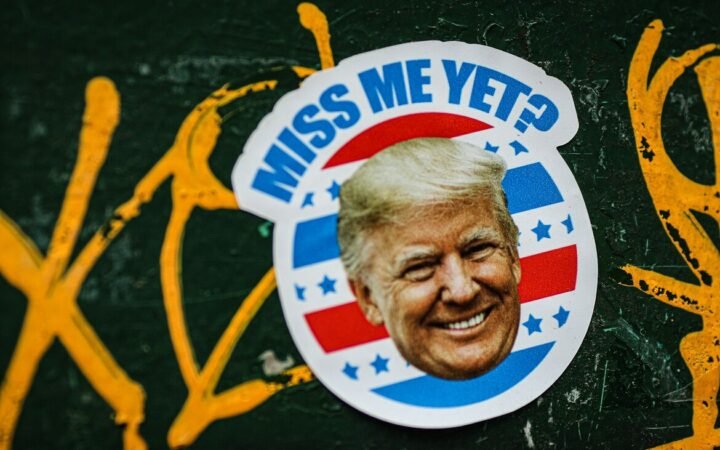
Large holders of the TRUMP memecoin are increasing their positions ahead of a planned Mar-a-Lago event that will host the project’s top token holders.

The DeFi Education Fund and Beba have withdrawn their lawsuit against the SEC over crypto airdrops, citing a changing regulatory stance and ongoing work by the agency’s crypto task force.

World Liberty Financial token holders approved a proposal requiring a 180-day staking lock-up to maintain governance voting rights, aiming to strengthen long-term participation in the protocol’s decision-making process.

Crypto trading and lending firm Blockfills has filed for Chapter 11 bankruptcy after suspending withdrawals and reporting about $75 million in losses. The restructuring follows legal action alleging misuse of customer assets.

BlackRock has introduced a Nasdaq-listed staked Ethereum ETF that combines spot ETH exposure with staking rewards. The product expands the firm’s digital asset investment lineup.

A Bloomberg strategist renewed his warning that Bitcoin could fall below $10,000, citing macroeconomic pressures. Other analysts argue that such a decline would require an extreme global liquidity shock.

BitMEX co-founder Arthur Hayes said he would not invest in Bitcoin at current levels, arguing he will wait for US monetary easing before re-entering the market.

US spot Bitcoin ETFs recorded $251 million in inflows, pushing March totals to $1.56 billion, while XRP funds saw smaller outflows as Goldman Sachs emerged as the largest holder.

Arthur Hayes argues that prolonged US military engagement with Iran could prompt monetary easing, potentially expanding liquidity and influencing crypto markets.