

Global financial markets declined sharply as tensions between the United States and Iran intensified, rattling investor confidence. US President Donald Trump warned of potential strikes on Iranian infrastructure, prompting Tehran to threaten retaliation and even a closure of the critical Strait of Hormuz.
The geopolitical standoff triggered a broad risk-off sentiment, sending both traditional and crypto markets lower. Investors increasingly shifted toward liquidity and defensive positioning as uncertainty deepened.
Bitcoin Drops Despite Safe-Haven Narrative
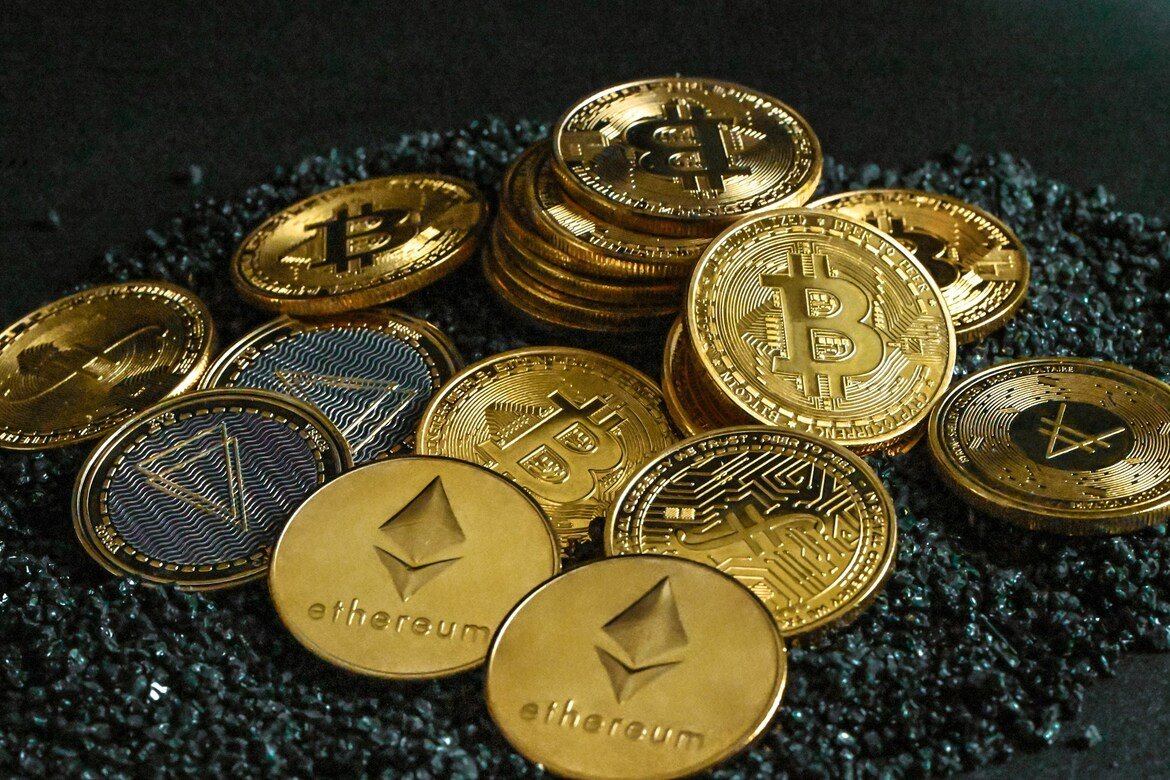
Bitcoin fell around 1.8% over 24 hours, trading near $68,100 after briefly dipping below $67,600. The move challenged its long-standing narrative as a safe-haven asset similar to gold.
The decline triggered significant liquidations across the crypto market, with over $336 million wiped out in a single day. Long positions accounted for a large share of losses, reflecting overly bullish positioning ahead of the drop.
Analysts note that Bitcoin is currently moving in tandem with equities rather than acting as a hedge. Weak sentiment is evident, with market fear levels reaching extreme lows.
Oil Prices Swing Wildly
Energy markets saw sharp volatility as crude oil prices surged above $100 per barrel before retreating and stabilizing near $99. Meanwhile, Brent crude climbed past $114 before easing slightly.
The Strait of Hormuz, a key global oil transit route, remains central to market fears. Any disruption could significantly impact global supply, fueling inflation concerns and adding pressure on central banks.
Macro Forces Drive Market Direction
Rising oil prices are already influencing expectations for tighter monetary policy. The likelihood of interest rate hikes has increased, further weighing on risk assets like cryptocurrencies and equities.
Bitcoin’s near-term outlook now hinges on both geopolitical developments and central bank decisions. Analysts point to $68,000 as a key support level, with deeper downside possible if tensions escalate.
Despite short-term weakness, institutional demand remains relatively strong, suggesting that while volatility may persist, the broader adoption trend for crypto is still intact.