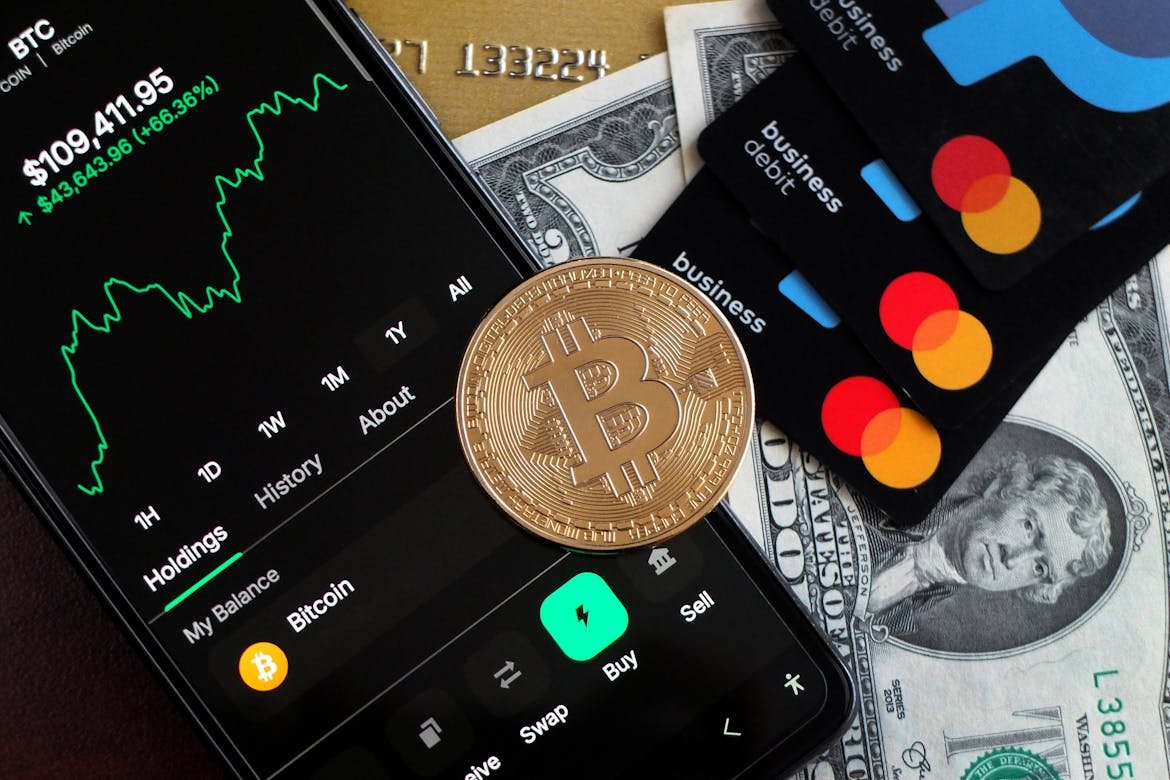


The utility of digital assets has completed a fundamental structural shift over the past year. Monthly transactional volume across crypto-linked debit and credit cards has surged approximately 230% compared to 2025 metrics, marking an aggressive acceleration in retail blockchain adoption. According to a macro research report published by The Kobeissi Letter, cumulative monthly transactional volume across these crypto-native payment channels climbed to a record $7.8 billion this month.
The parabolic expansion highlights a growing consumer preference for stablecoin-denominated payment rails. Rather than utilizing volatile cryptocurrencies for point-of-sale commerce, users are increasingly locking in dollar-pegged assets to fund daily transactions. This operational framework allows participants to spend decentralized balances as traditional fiat currency across millions of merchant locations worldwide, providing a scalable utility engine that historical market cycles struggled to achieve.
Payment Giants Secure Dominance via On-Chain Partnerships
The integration of digital assets into global commerce has not displaced legacy payment providers. Instead, the current infrastructure relies heavily on institutional payment networks to handle merchant settlement, bringing substantial transaction fee volume to traditional networks.
Visa currently captures an estimated 90% share of total crypto card transaction volume. This dominant market positioning has been established through strategic infrastructure partnerships with prominent, on-chain native protocols. Chief among these is Jupiter Global, a dedicated payments infrastructure layer incubated by the team behind Jupiter, the leading decentralized exchange (DEX) operating on the high-performance Solana blockchain.
Concurrently, Mastercard has aggressively expanded its footprint within the European digital asset landscape. In January, crypto exchange OKX launched a localized stablecoin debit card natively supported by the Mastercard settlement network. The integration allows decentralized balances to be converted to fiat instantaneously at checkout, bypassing traditional banking intermediaries entirely during the transaction life cycle.
Real-World Utility Tracking: Grocery and Retail Analytics
Granular transaction data indicates that crypto-backed cards are successfully penetrating mainstream retail sectors rather than remaining restricted to digital or niche Web3 commerce. Internal transaction logs released by OKX highlight exactly where cardholders are deploying their capital:
| Spending Category | Percentage of Total Transaction Volume |
| Groceries & Supermarkets | 26% |
| Restaurants & Dining | 18% |
| Online Retail & E-Commerce | 13% |
This distribution confirms that crypto payment products are actively competing with traditional retail banking options for baseline consumer habits. Commenting on the metric, the OKX development team observed that critics have historically targeted a lack of everyday utility as a fundamental systemic weakness for digital assets—functioning well as speculative instruments but proving inefficient as real money. High-volume retail transactions effectively counter that narrative.
Strategic Global Rollouts Target Emerging Markets
The cross-border capability of stablecoin architecture is driving a massive geographic expansion through the back half of the year. Following a joint commercial framework announced by Visa and Stripe-owned fintech infrastructure provider Bridge, plans are underway to deploy co-branded stablecoin payment cards across more than 100 countries.
The primary launch phase provides immediate coverage across 18 target regions, with an emphasis on Latin American markets facing structural currency devaluation, including Argentina, Colombia, Ecuador, Mexico, Peru, and Chile. By anchoring retail spending directly to regulated US dollar stablecoins, these cards provide consumers with an accessible hedge against local inflationary pressures. Visa and Bridge have confirmed that secondary deployment phases will expand this payment rail into the Asia-Pacific (APAC), African, and Middle Eastern corridors before the end of December.