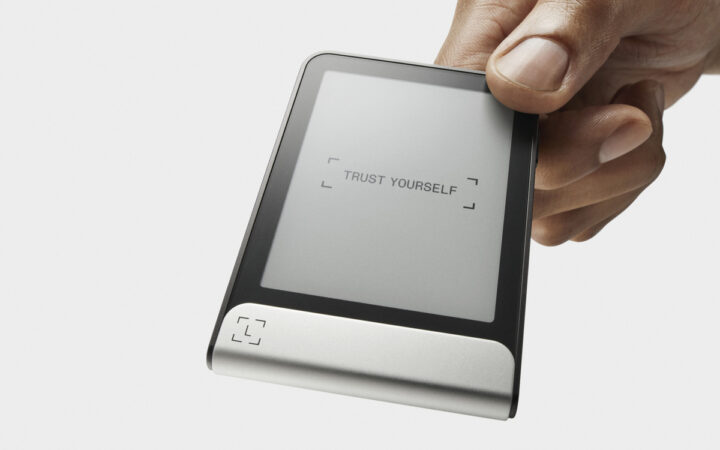
Zero-knowledge scaling pioneer StarkWare has introduced a conceptual demo for Private KYC on the Starknet network, targeting a structural vulnerability in digital identity verification: the mass accumulation of sensitive corporate data. By utilizing STARK proofs and Starknet’s newly launched STRK20 privacy architecture, the system allows individuals to cryptographically prove specific compliance facts, such as being over 18 years old or holding an authorized regional credential, without exposing full names, addresses, or unredacted passport files to third-party databases.
The technical architecture shifts identity management to a strict self-custody model. A user initiates the process locally by scanning their physical passport with a smartphone camera and utilizing the device’s built-in Near-Field Communication (NFC) chip to verify the document’s cryptographic signatures directly from the issuing government authority. Once authenticated, this identity data is encrypted directly into the user’s Starknet wallet. Instead of passing these raw records along to corporate servers, the wallet posts verified, minimized attributes to a public on-chain registry. External verifiers simply query this public ledger to confirm regulatory eligibility, entirely removing the need for companies to assemble, store, or defend copies of personal paperwork.
This development arrives amid escalating cyber threats. The US experienced an all-time high of 3,322 confirmed data compromises in 2025, while global data breach costs averaged $4.4 million per incident. The vulnerability is particularly pronounced in healthcare, where breached records average a staggering $7.42 million loss, and within the crypto sector, which continues to navigate phishing repercussions stemming from a massive 2020 hardware wallet customer database leak. By validating eligibility via automated smart contracts rather than visible files, StarkWare aims to transform compliance from a centralized data-security liability into a trustless, single-fact confirmation pattern.
Disclaimer: CoinScreamer is an independent media brand owned and operated by NuvexMedia LLC, publishing news, research, and market insights on digital assets and related technologies. NuvexMedia LLC invests in and collaborates with companies across the digital asset, blockchain, and technology sectors. These relationships do not influence CoinScreamer’s editorial coverage, and the publication maintains full editorial independence to provide accurate, timely, and objective information. © 2025 NuvexMedia LLC. All rights reserved. This content is for informational purposes only and should not be considered legal, tax, investment, financial, or other professional advice.