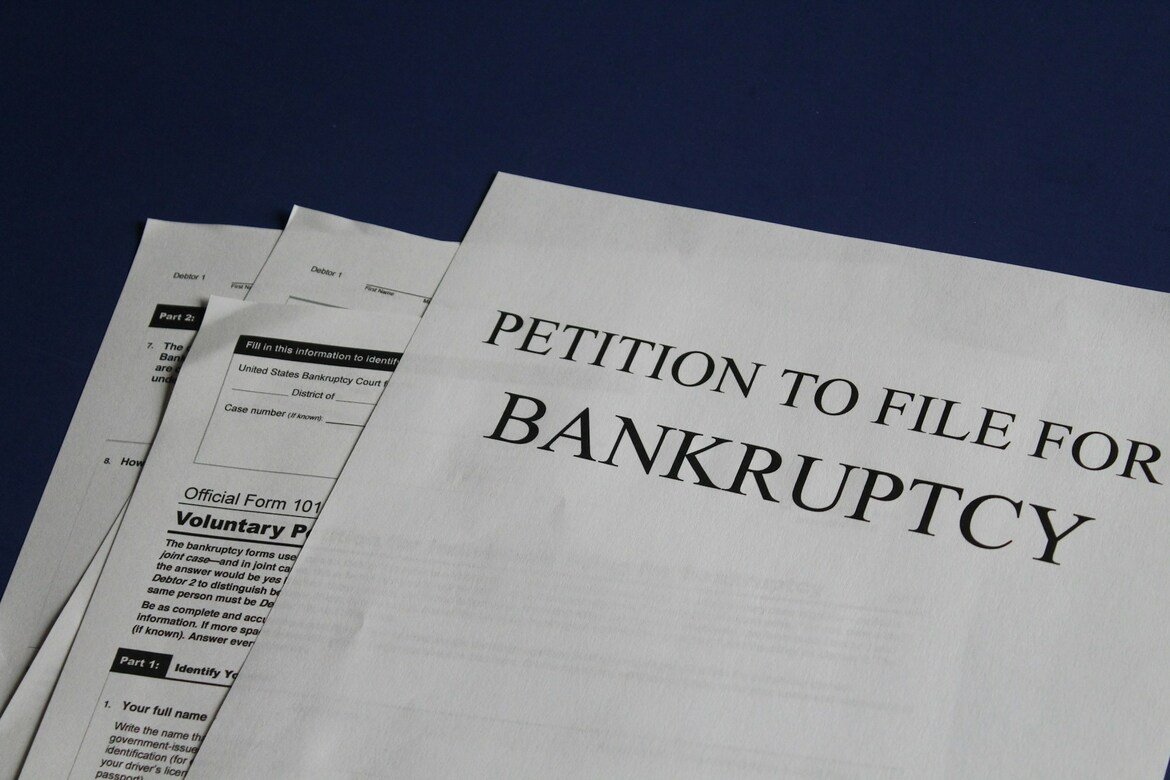

Institutional crypto trading and lending firm Blockfills has filed for Chapter 11 bankruptcy protection in the United States after halting customer withdrawals and reporting significant trading losses. Court documents show that Reliz Ltd., the company’s operating entity, submitted restructuring petitions in the US Bankruptcy Court for the District of Delaware alongside several affiliated entities.
The filing lists estimated assets between $50 million and $100 million, while liabilities are reported between $100 million and $500 million. The gap highlights the financial strain facing the firm following a period of market volatility and operational losses.
Blockfills said the decision followed consultations with investors, clients, and creditors, describing the Chapter 11 process as the most responsible path to preserve business value and maximize recoveries for stakeholders. The company noted that the court-supervised restructuring would provide transparency and oversight while it evaluates strategic options.
The bankruptcy comes roughly a month after Blockfills suspended deposits and withdrawals, citing market conditions and liquidity challenges affecting its operations.
Lawsuit and Institutional Market Pressure
The restructuring process also follows legal action against the company. A US federal judge recently issued a temporary restraining order in a lawsuit filed by investment firm Dominion Capital, which alleged that Blockfills misappropriated customer crypto assets and improperly commingled client funds.
Dominion claimed the company concealed losses while retaining control of customer assets, accusations that added pressure to Blockfills’ already fragile financial position. The firm has not publicly addressed the specific allegations in detail but acknowledged that the bankruptcy filing would allow it to manage claims through a formal legal framework.
Founded in Chicago, Blockfills operates as a trading and lending platform focused on institutional clients. Its services include crypto lending and borrowing, derivatives trading, and over-the-counter execution for hedge funds, asset managers, market makers, and mining firms.
Despite the current restructuring, the company reported processing more than $60 billion in trading volume during 2025, representing a 28% increase from the previous year. Blockfills also served roughly 2,000 institutional clients across global digital asset markets.
The firm is backed by several institutional investors, including Susquehanna Private Equity Investments, CME Ventures, Simplex Ventures, C6E, and Nexo. Leadership changes have also occurred during the restructuring process, with co-founder and CEO Nicholas Hammer stepping down and Joseph Perry taking over as interim chief executive.
Blockfills’ bankruptcy adds to a series of financial stress events within the crypto lending sector over recent years. The collapse of several high-profile lenders during prior market downturns exposed structural risks tied to leverage, liquidity management, and counterparty exposure across institutional crypto markets.
As the Chapter 11 process proceeds, the outcome will determine whether the firm can restructure its operations or pursue a sale while addressing creditor claims and ongoing litigation.