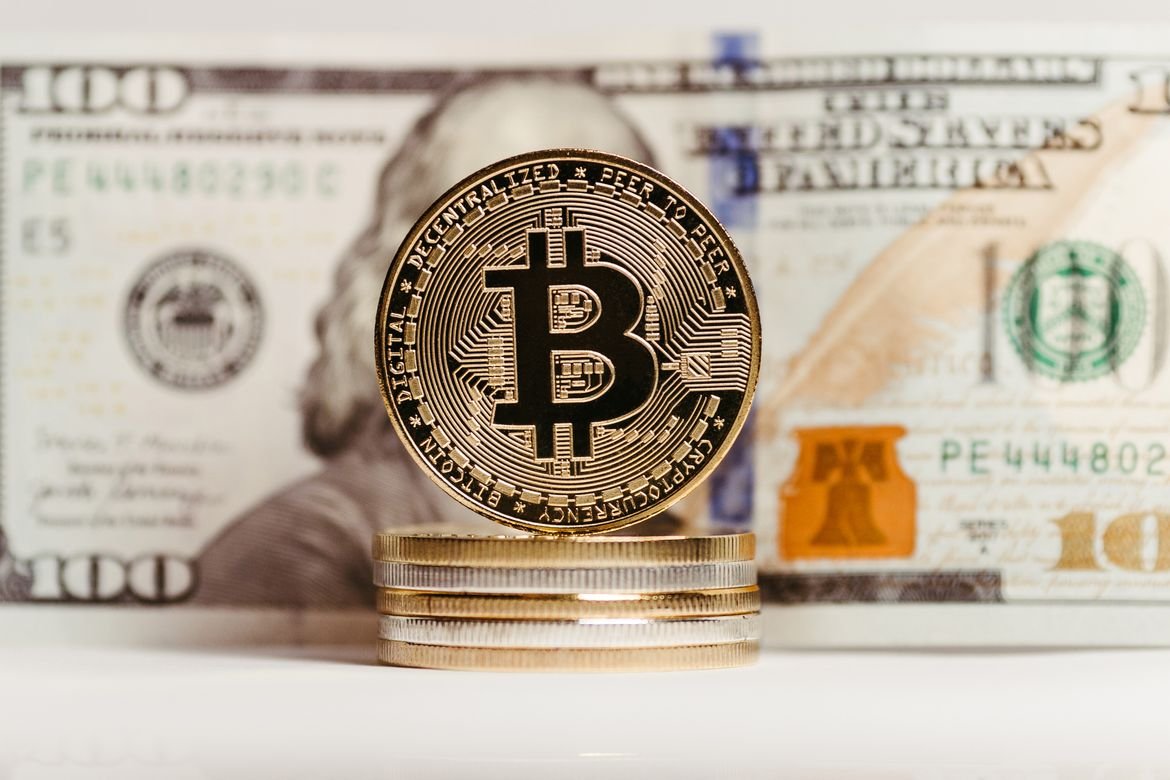


On May 6, 2026, global financial markets witnessed a powerful relief rally as long-awaited diplomatic breakthroughs in the Middle East sent risk assets soaring. Bitcoin (BTC) pushed past the $81,000 mark, while Nasdaq futures recorded significant gains, directly tracking a dramatic 6% crash in crude oil prices. The shift marks a definitive turn in investor sentiment as the specter of a prolonged energy shock begins to fade.
Risk-On Resurgence
The rally was sparked by renewed optimism surrounding a comprehensive peace deal between the United States and Iran. Despite the friction caused by the recent “Project Freedom” maritime operations in the Strait of Hormuz, conciliatory remarks from Iranian Foreign Minister Abbas Araghchi, who noted there is “no military solution to a political crisis”, acted as a potent stabilizer.
By midday, Nasdaq 100 futures were up 1.32%, signaling a rotation back into growth and tech stocks. Bitcoin, often the canary in the coal mine for global liquidity, surged to $81,957, its highest level in over three months. Analysts noted that the move was intensified by a massive unwind of defensive hedges that had been in place since the conflict escalated earlier this year
Oil Tumbles as Supply Fears Evaporate
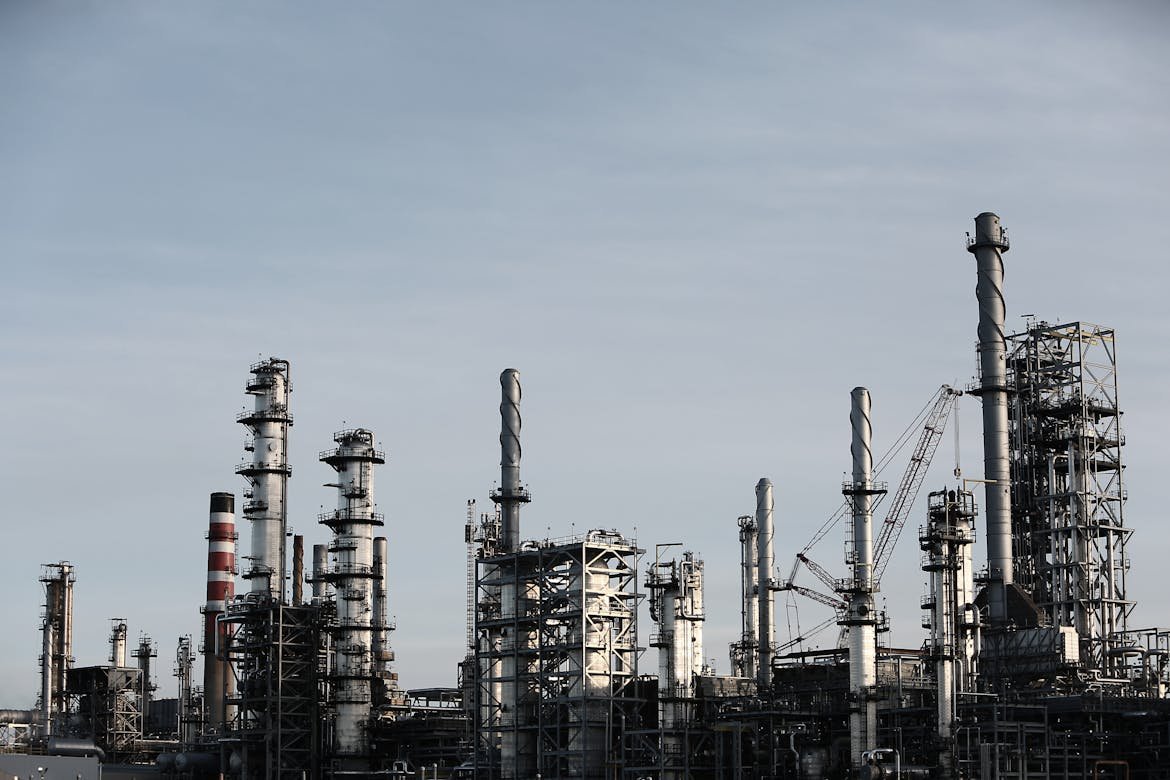
The most striking move of the session occurred in the energy pits. West Texas Intermediate (WTI) and Brent crude both plummeted, with WTI dropping over $8 per barrel to settle near $93.70. This 6% to 8% slide provided much-needed breathing room for an inflation-weary Federal Reserve.
“The 2026 market has been a hostage to energy prices,” noted Keith Lerner, Chief Market Strategist at Truist. “With oil coming off the boil, the ‘inflation tax’ on consumers is lifting, which is exactly why we’re seeing tech and crypto catch such a massive bid today.”
Technical Hurdles for Bitcoin
While the psychological reclaim of $80,000 is significant, market technicians warn that the “relief rally” must still clear structural hurdles. According to Iliya Kalchev, an analyst at Nexo Dispatch, the next critical test for Bitcoin lies at the $82,000 mark, which is the asset’s 200-day moving average.
“Reclaiming $80k changes the vibe, but clearing $82k and then the ETF cost-basis at $83k would turn this from a news-driven spike into a structural bull trend,” Kalchev explained. For now, the “post-ceasefire recovery” seems to be driven by a rare alignment of geopolitical de-escalation and favorable liquidity structures.