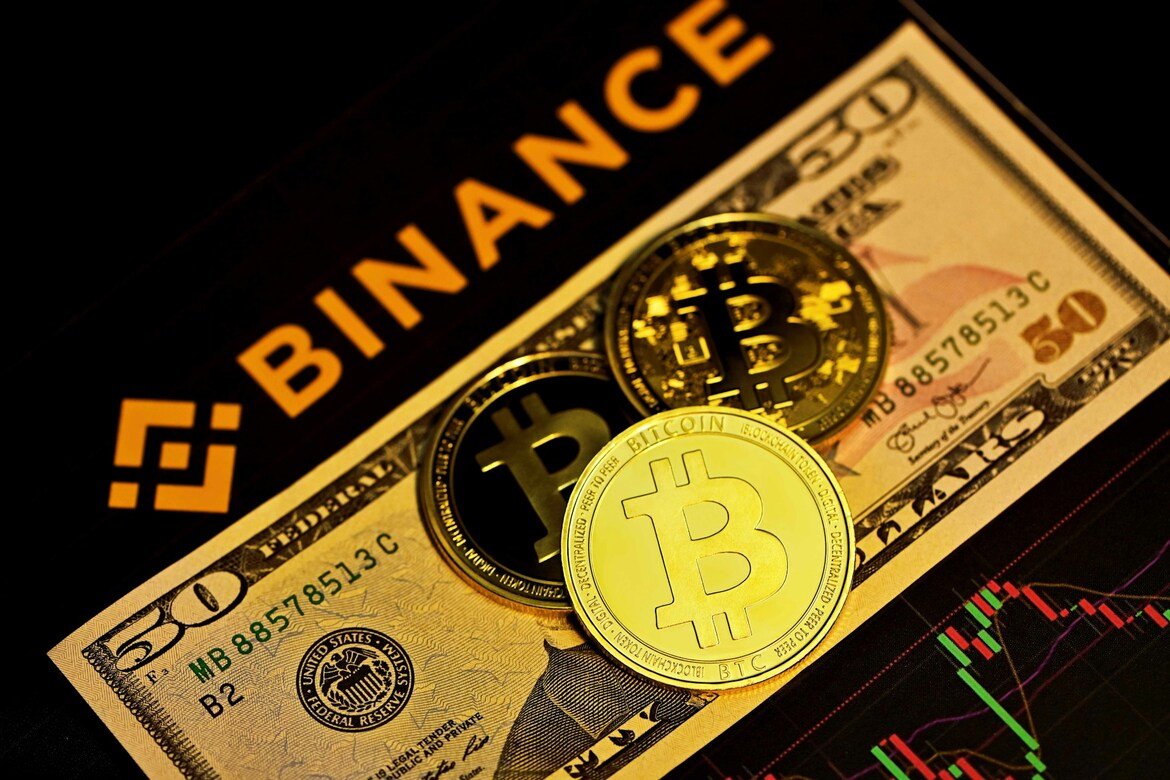

Binance is quietly laying the groundwork for a potential re-entry into the US market, reassessing its American strategy after years of regulatory retrenchment. According to a Bloomberg report, discussions include a possible recapitalization of Binance.US that could reduce founder Changpeng Zhao’s controlling stake, a move viewed internally as critical to resolving licensing and compliance barriers across several states.
Zhao, who stepped away from any formal role at Binance following his 2023 plea agreement with US authorities, remains a central figure in the exchange’s long-term direction. That agreement restricted his direct or indirect involvement in operations after regulators charged Binance and its founder with failing to maintain effective anti-money laundering controls. Despite this, Zhao’s majority ownership has continued to complicate Binance.US expansion, according to people familiar with the matter.
Regulatory Headwinds and Shifting US Climate
Binance.US has yet to recover from the regulatory crackdown that followed those charges. Once controlling an estimated 35% of US crypto trading volume at its peak, the platform has since seen its footprint sharply reduced. Multiple states revoked or declined to grant operating licenses, leaving Binance.US unable to operate in more than a dozen states and US territories.
However, the broader regulatory environment in Washington has begun to shift. The Trump administration has eased enforcement pressure, dropped several high-profile crypto-related lawsuits, and advanced legislation such as the GENIUS Act, which provides a clearer framework for stablecoins. Industry executives say these developments are prompting global crypto firms to reconsider the US as a viable growth market.
Zhao, recently pardoned by President Donald Trump, has publicly embraced the administration’s pro-crypto stance. Speaking earlier this month, he described the US as central to the industry’s future and signaled his desire to support efforts to position the country as a global crypto hub. Binance has maintained that its global operations and Binance.US remain independent, though it declined to comment on the reported restructuring talks.
Institutional Ties and Competitive Pressures
Alongside regulatory recalibration, Binance has been strengthening relationships with established financial institutions. Sources said the exchange has discussed deeper collaboration with BlackRock, which already offers a tokenized money-market fund used as collateral on Binance. Conversations have reportedly included new products and potential revenue-sharing structures, though BlackRock declined to comment.
Binance has also moved closer to World Liberty Financial, a crypto venture linked to Trump’s family, reflecting a broader strategy of aligning with influential institutional and political stakeholders. Internally, leadership adjustments underscore a focus on continuity, with co-founder Yi He promoted to co-CEO alongside Richard Teng.
As competitors such as Kraken and Gemini prepare for potential US listings and institutional participation grows through spot Bitcoin ETFs, Binance faces increasing pressure to secure a path back into the world’s largest capital market. Any return, however, is likely to hinge on sustained regulatory compliance and structural changes that satisfy state and federal authorities.