Monthly Archives: February 2026
Jump Trading to Back Kalshi and Polymarket as Market Maker
Jump Trading is set to provide market-making services to Kalshi and Polymarket in exchange for equity stakes, deepening institutional involvement in prediction markets.


Jump Trading is preparing to take equity stakes in prediction market platforms Kalshi and Polymarket in exchange for providing market-making services. While financial terms have not been disclosed, the arrangement would see Jump supply liquidity to both platforms while receiving a fixed equity position in Kalshi and the ability to increase its ownership in Polymarket over time.
The reported deals would tie one of the most prominent proprietary trading firms in digital assets more closely to the prediction market sector, which has seen rapid growth following regulatory shifts in the United States. Both Kalshi and Polymarket have benefited from a more permissive stance by the Commodity Futures Trading Commission, which has eased restrictions on event-based contracts that were previously treated as prohibited binary options.
Institutional Liquidity Meets Prediction Markets
Market makers play a central role in financial markets by providing continuous buy and sell quotes, supporting price discovery, and reducing volatility during periods of uneven demand. Jump Trading’s involvement could materially improve liquidity and execution quality on both platforms, which have experienced sharp increases in trading volume since late 2025.
Kalshi and Polymarket are currently the two largest players in the sector by activity and valuation. Polymarket was last valued at approximately $9 billion, while Kalshi has reached an estimated valuation of $11 billion. Both platforms have also pursued partnerships with traditional institutions, including media and sports organizations, as they compete to establish themselves as the dominant venue for event-based financial contracts.
At the same time, competition is intensifying. Crypto exchanges such as Gemini and Crypto.com have begun rolling out rival prediction-style products, increasing pressure on standalone platforms to differentiate through liquidity, regulatory positioning, and institutional participation.
Strategic Context for Jump Trading
For Jump Trading, the reported investments signal a measured re-engagement with crypto-adjacent markets after a period of retrenchment. The firm scaled back parts of its digital asset operations following the collapse of Terra, one of its high-profile investments. Since then, Jump has continued to support infrastructure-focused initiatives, including development work on the Firedancer client for Solana and the Wormhole cross-chain bridge.
Providing liquidity to prediction markets aligns with Jump’s core competencies as a high-frequency trading firm while limiting direct exposure to directional crypto price risk. Equity stakes offer longer-term upside tied to platform growth, rather than short-term trading performance alone.
From a broader market perspective, Jump’s involvement underscores the increasing institutionalization of prediction markets. As regulatory clarity improves and participation expands beyond crypto-native users, liquidity provision and risk management are becoming more critical to platform stability. The reported arrangements suggest that established trading firms view prediction markets as a durable segment of the financial ecosystem rather than a niche experiment.
If finalized, the deals would further blur the line between traditional market structure and crypto-enabled financial products, reinforcing prediction markets’ role as a convergence point for trading, data, and institutional capital.
Related Articles
Telegram Introduces Mira AI Assistant with Blockchain and Payments Roadmap
Telegram has launched Mira, a blockchain-based AI assistant integrated into chats, as the platform expands into AI services alongside crypto payments and commerce infrastructure.

Telegram has launched Mira, its first blockchain-based artificial intelligence assistant, marking a significant expansion of the messaging platform’s technology stack into AI-driven services. Developed by The Open Platform, Mira operates within Telegram chats and is built on the Cocoon network, a framework introduced in late 2025 to support privacy-focused and anonymous AI interactions.
The assistant is designed to perform common consumer tasks, including answering questions, searching for information, and generating text, images, and videos. Basic interactions are free, while more advanced features require credits purchased using Telegram Stars, the app’s internal currency. The rollout reflects Telegram’s broader effort to embed advanced digital services directly into its messaging interface rather than through standalone applications.
Privacy Architecture and Multi-Model Design
Mira is structured around two operating modes that emphasize user choice around data handling. In private mode, the assistant does not store memory, and interactions are encrypted and discarded after completion. In standard mode, Mira retains contextual information, allowing it to remember preferences and adapt responses over time. This dual structure positions privacy as a configurable feature rather than a fixed default.
Technically, Mira relies on a multi-model architecture that routes tasks to different AI systems based on function. Text-based queries are handled by large language models, while image and video generation are powered by specialized third-party systems available to paid users. This approach allows Telegram to combine external AI capabilities within a single interface, avoiding reliance on a proprietary model while accelerating feature development.
Near-term updates are expected to expand Mira beyond one-on-one chats. Planned integrations include group conversations, channels, automated summaries, and AI personas designed to interact with users in distinct styles. These features would move Mira closer to a persistent layer across Telegram’s social graph.
Blockchain, Payments, and Competitive Context
Mira’s launch aligns with Telegram’s parallel push into blockchain-based commerce. The Open Network Foundation recently introduced TON Pay, a payments software development kit that enables cryptocurrency transactions directly inside Telegram Mini Apps. The system allows merchants to accept Toncoin and supported stablecoins through a wallet-agnostic checkout flow embedded in chats.
TON Pay is designed for scale, targeting Telegram’s estimated 1.1 billion monthly active users. According to the foundation, transactions are expected to settle in under a second, with typical fees below one cent. Initial use cases focus on in-app commerce, with future support planned for subscriptions, gasless transactions, and regional fiat off-ramps to address compliance requirements.
Together, Mira and TON Pay position Telegram more firmly in the emerging “everything app” landscape, where messaging, payments, and digital services converge. Competitors such as X and Coinbase are pursuing similar strategies by integrating financial tools and AI into consumer platforms. While Telegram and TON continue to face scrutiny over governance and decentralization, the company is betting that tightly integrated AI and payment infrastructure can differentiate its ecosystem from traditional messaging and fintech models.
Related Articles
Saylor’s Strategy Buys $90M in Bitcoin Below Market Cost Basis
Michael Saylor’s Strategy added $90 million in Bitcoin as prices traded below the company’s average acquisition cost, reinforcing its long-term accumulation approach amid market volatility.

Michael Saylor’s Strategy, the world’s largest publicly listed corporate holder of Bitcoin, disclosed a new $90 million purchase of the cryptocurrency, adding 1,142 BTC to its balance sheet. The acquisition was completed at an average price of approximately $78,815 per coin, according to a filing with the US Securities and Exchange Commission.
The purchase came during a period of heightened market volatility, with Bitcoin trading below Strategy’s average acquisition price for much of the week and briefly dipping to around $60,000 on major exchanges. Despite the drawdown, the company did not time the local lows, instead continuing its incremental accumulation strategy. The latest transaction brings Strategy’s total holdings to 714,644 BTC, acquired for roughly $54.35 billion at an average price of $76,056 per Bitcoin.
Accumulation Strategy amid Market Weakness
By purchasing Bitcoin above its existing cost basis, Strategy avoided lowering its average entry price, a dynamic that has drawn attention from market participants. Bitcoin has remained below the company’s average purchase price since the acquisition, underscoring the near-term unrealized losses embedded in Strategy’s position.
This approach is consistent with Strategy’s historical behavior during prior market cycles. In 2022, when Bitcoin traded below the firm’s average cost near $30,600, the company slowed the pace of large acquisitions but continued to add smaller amounts. The current purchase marks only the second time this cycle that Strategy has added Bitcoin while prices remained below its overall cost basis, reinforcing its stated long-term conviction rather than a tactical trading posture.
Institutional Context and Market Implications
Strategy’s continued buying comes as institutional sentiment toward Bitcoin remains mixed. Spot Bitcoin exchange-traded funds have seen uneven flows in recent weeks, while macro uncertainty around interest rates and liquidity conditions has pressured risk assets broadly. Against this backdrop, Strategy’s balance-sheet-driven accumulation stands out as one of the largest single sources of consistent demand in the Bitcoin market.
The company’s equity has continued to track Bitcoin’s volatility. Strategy shares fell sharply alongside the broader crypto market before rebounding with a late-week recovery, reflecting the tight linkage between its stock performance and Bitcoin price movements. As mining economics tighten and corporate treasuries reassess digital asset exposure, Strategy remains a distinct case of concentrated, long-duration Bitcoin allocation at an institutional scale.
Related Articles
Justin Bieber’s Bored Ape Valuation Drops 99% amid Structural NFT Market Rebalancing
A Bored Ape Yacht Club NFT purchased by Justin Bieber for $1.3 million in 2022 is currently valued at approximately $12,000.
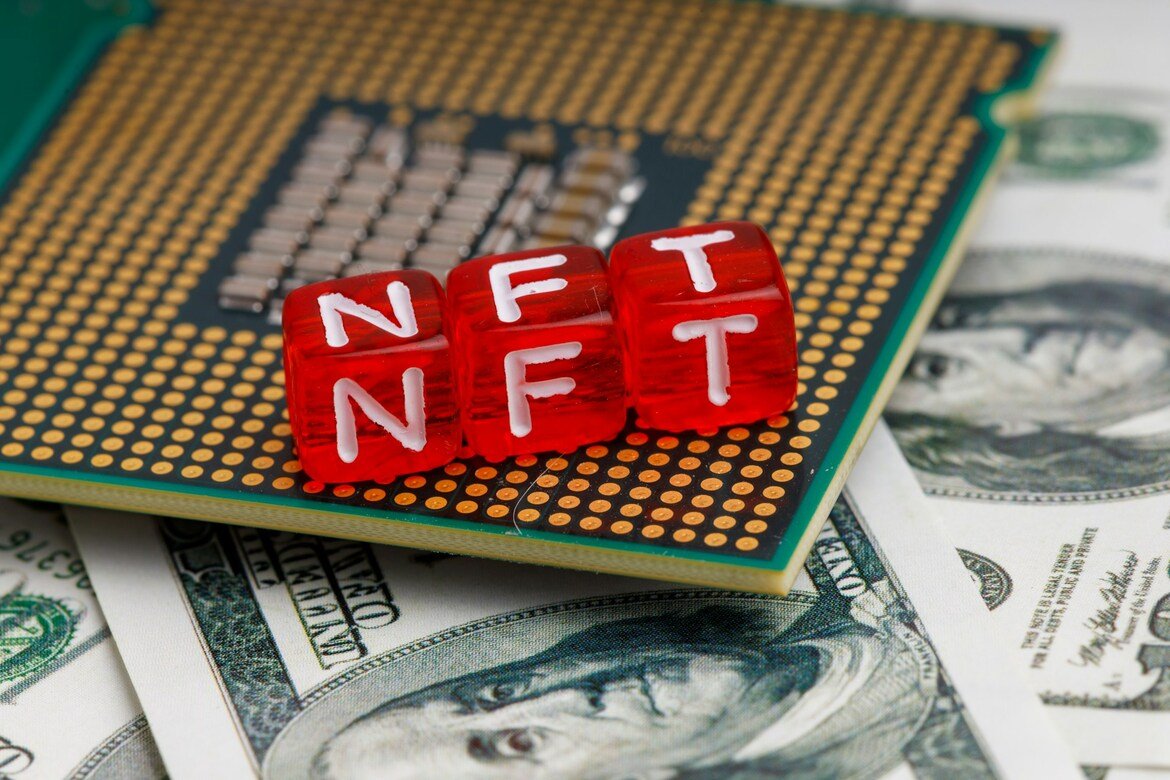
Pop music icon Justin Bieber has seen the valuation of his Bored Ape Yacht Club (BAYC) NFT decline by more than 99% relative to its purchase price. In January 2022, Bieber acquired Bored Ape #3001 for 500 ETH, which was valued at approximately $1.3 million at the time of the transaction. By early 2026, the asset is estimated to be worth less than 6 ETH, or roughly $12,000, as the broader digital collectibles market continues its multi-year correction.
The asset, which lacks rare visual attributes, was widely criticized by the NFT community at the time of acquisition for its significant premium over the collection’s floor price. While the BAYC floor price briefly rallied to a peak of $429,000 in April 2022, the subsequent “NFT winter” has substantially eroded the market capitalization of even the most prominent collections. This trend reflects a broader cooling of celebrity-driven speculative activity in favor of assets with tangible utility or institutional backing.
Structural Shifts in Digital Asset Liquidity
The structural decline in NFT valuations coincides with a fundamental shift in the global digital asset landscape. Institutional liquidity has increasingly migrated toward regulated investment vehicles, such as spot Bitcoin and Ethereum exchange-traded funds (ETFs). According to recent reports from the World Economic Forum, 2026 represents an “institutional era” where market participants prioritize infrastructure maturity over speculative hype.
This realignment has reduced the capital available for high-risk digital art, leading to a flight to quality among collectors. As the market matures, the distinction between historical assets and common speculative tokens has become more pronounced. Analysts observe that liquidity is now concentrated in a handful of projects that have demonstrated long-term resilience or successful brand extensions.
Competitive Pressures and Ecosystem Evolution
The competitive hierarchy within the NFT sector has also experienced significant volatility since 2022. Bored Ape Yacht Club, once the undisputed leader in market capitalization, now faces intense pressure from collections such as Pudgy Penguins. By early 2026, Pudgy Penguins has occasionally surpassed BAYC in market cap, driven by successful physical merchandising and the launch of its native token.
In contrast, legacy collections like CryptoPunks have maintained higher floor prices, often trading near $60,000, due to their perceived status as digital “antiquities.” The rebalancing of portfolios toward yield-bearing assets and real-world asset (RWA) tokenization has further limited the secondary market demand for non-utility-based NFTs. This diversification suggests that investors are seeking value preservation over purely visual assets.
To counter these headwinds, BAYC creator Yuga Labs has pivoted toward an ecosystem-centric strategy. The company officially launched its Otherside metaverse in late 2025 and is currently constructing a physical clubhouse in Miami to foster community engagement. These initiatives represent a move away from pure digital speculation toward an integrated social and gaming platform. However, the success of these long-term infrastructure plays remains subject to broader market adoption and the evolving preferences of the digital-native generation.
Related Articles
Tether USDT Posts Record User Growth in Q4 Despite Market Shock
Tether reported record USDT user growth and higher reserves in the fourth quarter of 2025, even as crypto markets suffered a sharp liquidation-driven downturn.

Tether reported record growth in both users and reserves for its USDT stablecoin during the fourth quarter of 2025, even as the broader crypto market experienced one of its sharpest downturns in recent years. According to Tether’s quarterly market report, USDT market capitalization rose by $12.4 billion during the quarter to a new high of $187.3 billion, extending its lead as the world’s largest stablecoin.
The company estimated that USDT added 35.2 million new users in Q4, bringing its global user base to approximately 534.5 million. This marked the eighth consecutive quarter in which USDT added more than 30 million users, underscoring continued adoption despite heightened volatility following the October market liquidation event.
User Adoption Outpaces Broader Market
On-chain data showed continued expansion in wallet usage, with the number of on-chain USDT holders increasing by 14.7 million to 139.1 million during the quarter. USDT wallets accounted for roughly 70.7% of all stablecoin wallets, reinforcing its dominant position in the sector. Tether also estimated that more than 100 million users hold USDT on centralized platforms, highlighting the token’s role as a liquidity and settlement tool beyond decentralized networks.
Monthly active on-chain users averaged a record 24.8 million during the quarter, reflecting sustained transactional demand. Tether attributed this growth to USDT’s utility across payments, remittances, and value storage, particularly in regions where access to traditional banking remains limited or where local currencies face volatility.
Reserves Expand amid Institutional Focus
Tether’s total reserves grew by $11.7 billion in the fourth quarter to $192.9 billion, strengthening the balance sheet behind USDT issuance. Reserve assets included $141.6 billion in US Treasuries, 96,184 Bitcoin, and 127.5 metric tons of gold, reflecting a diversified reserve strategy that blends traditional financial instruments with select digital and commodity exposure.
The expansion came despite a challenging macro backdrop. Crypto markets suffered a major liquidation cascade in October 2025, followed by elevated volatility through year-end. Bitcoin prices declined sharply and were trading near $71,200 by early February 2026, marking the lowest levels since October 2024. Over the same period, the total crypto market capitalization fell by more than one-third.
Competitive and Macro Context
Against this backdrop, USDT’s growth contrasted with declines seen among competing stablecoins. Tether reported that while USDT grew approximately 3.5% following the October liquidation event, the second- and third-largest stablecoins saw declines of 2.6% and 57%, respectively. The divergence highlights a consolidation trend within the stablecoin market, with liquidity gravitating toward issuers perceived as systemically important.
Separately, reports this week indicated that Tether has revised its potential fundraising plans, with advisers discussing a raise of around $5 billion, down from earlier figures. While no formal transaction has been announced, the adjustment reflects a more cautious capital environment as regulatory scrutiny and macro uncertainty continue to shape the digital asset sector.
Related Articles
Bhutan Makes Second Bitcoin Transfer in One Week as Reserves Decline
Bhutan transferred another $22 million in Bitcoin to a market maker as declining prices and rising mining costs pressure its state-backed crypto strategy.

Bhutan has made its second Bitcoin transfer in a week, moving roughly $22 million worth of the cryptocurrency to a market maker as prices remain under pressure and mining economics deteriorate. Blockchain analytics firm Arkham shows the country transferred 184 Bitcoin on Wednesday, following a 100.8 Bitcoin transfer late last week. Both transactions were sent to QCP Capital, a move that typically signals preparation for liquidation.
The transfers mark a continued reduction in Bhutan’s national Bitcoin reserves, which have fallen from a peak of 13,295 BTC in October 2024 to about 5,700 BTC. Since launching its state-backed mining initiative in 2019, powered largely by hydroelectric energy, Bhutan has accumulated approximately $765 million in Bitcoin. However, Arkham data indicates the cost to mine one Bitcoin has nearly doubled since the 2024 halving, significantly reducing mining output compared with 2023 levels.
Mining Economics and Reserve Management
Rising operational costs appear to be reshaping Bhutan’s approach to managing its digital asset reserves. In 2023, the country mined roughly 8,200 BTC, but production has slowed materially as lower prices and greater difficulty compress margins. Arkham noted that Bhutan has historically sold Bitcoin in batches of around $50 million, suggesting the latest transfers fit a recurring treasury management pattern rather than an abrupt policy shift.
As a result of the drawdown, Bhutan has slipped to seventh place among nation-state Bitcoin holders, trailing the United States, China, the United Kingdom, Ukraine, El Salvador, and the United Arab Emirates. The state-owned investment arm Druk Holding and Investments has not publicly commented on the latest transfers, maintaining a low profile around its crypto strategy amid volatile market conditions.
Broader Market and Macro Pressures
The reduction in Bhutan’s holdings comes as Bitcoin trades more than 42% below its October all-time high of $126,080, with prices hovering under $72,000. Market sentiment has weakened to levels last seen in mid-2022, reflecting broader risk aversion across global markets. Investors have increasingly favored traditional safe havens such as gold and silver despite elevated global liquidity.
Macro uncertainty has compounded crypto market stress, with concerns ranging from U.S. government shutdowns and renewed trade tensions to stalled digital asset legislation in Washington. Additional narratives, including quantum computing risks and a recent dip in Bitcoin network hashrate below one zetahash per second, have further weighed on sentiment. Against this backdrop, Bhutan’s latest Bitcoin transfers underscore how even sovereign holders are reassessing exposure as structural and macro pressures converge.
Related Articles
Coinbase Premium Falls to Yearly Low as Institutional Selling Pressure Builds
The Coinbase Premium has dropped to its lowest level since late 2024, signaling weakening institutional demand for Bitcoin amid broader market stress and ETF outflows.

The Coinbase Premium Gap, a widely watched indicator of institutional Bitcoin demand, has fallen to its lowest level in more than a year, adding to signs of growing selling pressure from professional investors. The metric, which measures the price difference between Bitcoin traded on Coinbase and Binance, has turned sharply negative, suggesting weaker demand on a platform typically favored by institutions and high-net-worth traders.
According to CryptoQuant data, the premium has dropped to approximately -168, its lowest reading since December 2024. When the gap turns deeply negative, Bitcoin trades at a discount on Coinbase relative to Binance, implying that selling activity on Coinbase is outpacing retail-driven demand elsewhere. Analysts say the trend reflects heightened risk aversion among institutional participants as macro uncertainty and crypto-specific headwinds persist.
Institutional Demand Shows Signs of Reversal
CryptoQuant analyst Darkfost said the declining premium indicates intensifying selling pressure from institutional players. The downtrend began in mid-October and has accelerated in recent weeks, coinciding with a broader market pullback. Lower premiums also suggest reduced activity from large investors on Coinbase, pointing to waning conviction during a volatile period for digital assets.
The weakness aligns with broader institutional positioning data. US spot Bitcoin exchange-traded funds, which were significant net buyers in early 2025, have reversed course this year. CryptoQuant estimates that ETFs have offloaded roughly 10,600 BTC so far in 2026, compared with purchases of more than 46,000 BTC during the same period last year. That shift represents a sizable demand gap and reinforces ongoing downward pressure on prices.
ETF Outflows Add to Market Strain
ETF flows have become an increasingly important driver of Bitcoin’s short-term price dynamics. Over the past week alone, spot Bitcoin ETFs recorded approximately $1.2 billion in net outflows, according to industry data. During the same period, Bitcoin fell below $71,000, marking its lowest level in roughly 15 months.
Market participants note that ETFs often reflect institutional sentiment more directly than onchain metrics. Sustained outflows suggest portfolio de-risking rather than tactical rotation, particularly as Bitcoin remains below the average cost basis for many ETF holders. While ETFs have shown resilience during previous drawdowns, the current environment combines falling prices, reduced liquidity, and elevated macro uncertainty.
From a broader perspective, the declining Coinbase Premium underscores a shift in market structure. Institutional investors, who helped drive Bitcoin’s rally through 2024 and early 2025, appear to be pulling back amid tighter financial conditions and weaker risk appetite. At the same time, retail demand has not been sufficient to absorb selling pressure, contributing to persistent price weakness.
While the premium alone does not determine market direction, its sustained decline adds to evidence that institutional participation is cooling. For now, Bitcoin markets appear to be adjusting to a period of lower institutional engagement and reduced speculative activity, with price action increasingly sensitive to macro signals and capital flows.
Related Articles
Kraken Parent Payward Posts 33% Revenue Growth on Trading Surge
Kraken parent Payward reported a sharp rise in 2025 revenues as higher trading volumes and acquisitions helped diversify income streams ahead of a potential IPO.

Payward, the parent company of crypto exchange Kraken, reported a 33% increase in revenue in 2025 as rising market activity and strategic acquisitions lifted transaction volumes and diversified income. Revenue climbed to $2.2 billion, up from $1.6 billion a year earlier, supported by a 34% jump in total transaction volume to $2 trillion, according to a company report released Tuesday.
Kraken co-CEO Arjun Sethi said Payward’s revenue mix was “well balanced,” with roughly 47% derived from trading activity and 53% coming from asset-based and other revenue sources. The results come as investors closely monitor the company’s path toward a potential public listing after Payward confidentially filed for an initial public offering in November.
Acquisitions Broaden Revenue Base
Payward attributed part of its growth to an active acquisition strategy aimed at expanding beyond spot crypto trading. In 2025, the company acquired futures platform NinjaTrader, proprietary trading firm Breakout, derivatives venue Small Exchange, and trading automation provider Capitalise.ai. These additions were intended to segment products more clearly by customer type and trading strategy, an approach Sethi said was influenced by large technology firms that operate multiple specialized platforms within a single ecosystem.
The acquisitions, particularly NinjaTrader and Breakout, contributed to a 119% increase in daily average revenue trades, according to the report. More recently, Payward acquired Backed, a firm operating in the tokenized equities space and supporting the xStocks platform, signaling a continued push into tokenized and multi-asset offerings.
Beyond revenue, Payward reported steady balance sheet and user growth. Assets held on the platform increased 11% year over year to $48.2 billion, while the number of funded accounts rose 50% to 5.7 million. The figures suggest that higher activity was accompanied by a broader expansion of the customer base rather than reliance on a narrow group of high-volume traders.
Positioning Ahead of Public Markets
Sethi said Payward’s strategy prioritizes long-term efficiency and risk-adjusted growth rather than maximizing individual performance metrics. He emphasized that the company is focused on scaling throughput across asset classes and geographies, rather than chasing short-term market cycles or launching isolated products.
The results place Payward among a group of large crypto firms seeking to demonstrate earnings resilience and diversified revenue as regulatory scrutiny increases and public market investors demand clearer business fundamentals. As crypto trading volumes rebounded in parts of 2025, exchanges with broader product suites and institutional reach have been better positioned to capture activity.
For Payward, the combination of higher volumes, asset-based income, and acquisitions strengthens its financial profile at a time when the industry is consolidating and capital markets remain selective about crypto exposure.
Related Articles
Canada Tightens Crypto Custody Rules to Reduce Investor Losses
Canada’s investment regulator has introduced stricter, tiered custody standards for crypto assets, aiming to reduce losses from fraud, hacks, and weak governance.

Canada’s top investment industry regulator has unveiled a new framework designed to strengthen how crypto assets are held and safeguarded, marking a significant step in the country’s effort to curb losses linked to fraud, hacks, and operational failures. The Canadian Investment Regulatory Organization, or CIRO, published its Digital Asset Custody Framework on February 3, setting out interim standards for dealer members that operate crypto trading platforms.
The framework will be enforced through CIRO membership terms and conditions rather than formal rulemaking, allowing regulators to respond more quickly to emerging risks in fast-moving digital asset markets. CIRO said the measures draw on lessons from past failures, including the 2019 collapse of QuadrigaCX, which exposed gaps in custody practices and left thousands of customers unable to recover funds.
Tiered Custody and Risk Limits
At the center of the new regime is a tiered, risk-based approach to crypto custody. Custodians are classified into four tiers based on factors such as capital strength, regulatory oversight, insurance coverage, and operational resilience. Under the framework, top-tier custodians may hold up to 100% of client crypto assets, while lower-tier providers face progressively tighter limits, with Tier 4 custodians capped at 40%.
Dealer members that choose to self-custody assets are subject to even stricter constraints, limited to holding no more than 20% of the total value of client crypto. CIRO said these limits are intended to reduce concentration risk and ensure that weaker or less regulated custodians do not hold disproportionate amounts of client funds.
The framework also introduces enhanced governance and operational requirements. Custodians must establish formal policies for private key management, cybersecurity, incident response, and third-party risk oversight. Insurance coverage, independent audits, security compliance reports, and regular penetration testing are now mandatory components of custody operations.
Enforcement and Global Context
Custody agreements must clearly define liability in cases where losses result from negligence or preventable failures, reinforcing accountability across the custody chain. CIRO emphasized that the rules are designed to be proportionate, aiming to improve investor protection without unduly restricting innovation or competition in Canada’s crypto sector. The regulator said the framework was developed in consultation with industry participants and benchmarked against international standards.
The move comes amid heightened enforcement activity across Canada’s digital asset market. In recent months, the country’s financial intelligence agency, FINTRAC, has issued substantial penalties against both domestic and offshore crypto platforms for compliance failures related to anti-money laundering controls. As a self-regulatory organization, CIRO has the authority to investigate member misconduct and impose sanctions, including fines and suspensions.
Canada’s tighter custody standards also align with broader regulatory momentum globally, as jurisdictions seek to reinforce market infrastructure following high-profile crypto failures. Alongside custody reforms, Canadian authorities are preparing a comprehensive framework for fiat-backed stablecoins under the 2025 federal budget, signaling a more structured and institutionally focused approach to digital asset regulation.
Related Articles
Coinbase Faces Nevada Legal Action Over Prediction Markets
Nevada regulators have moved to block Coinbase’s prediction market offerings, arguing the exchange is facilitating unlicensed sports wagering through event-based contracts.

Nevada regulators have filed a civil enforcement action against Coinbase, escalating state-level scrutiny of prediction markets as the products gain traction across US financial and crypto platforms. The Nevada Gaming Control Board said Coinbase may be offering unlicensed sports wagering through its event-based contracts, prompting authorities to seek a temporary restraining order and preliminary injunction to halt the activity within the state.
In a February 3 statement, the board said entities offering wagers on sporting events in Nevada must be licensed under state gaming law. Regulators argued that Coinbase’s prediction markets fall within that definition, describing the exchange’s operations as unlawful under existing statutes. The enforcement action was filed in the District Court for Carson City, with officials emphasizing consumer protection and regulatory integrity as central motivations.
Coinbase launched its prediction market feature nationwide last month through a partnership with Kalshi, allowing users to trade yes-or-no contracts tied to real-world outcomes directly within the Coinbase app. Kalshi is regulated at the federal level by the Commodity Futures Trading Commission, positioning its contracts as derivatives rather than traditional gambling products. Coinbase has relied on that framework to argue that the offering falls under federal jurisdiction.
State and Federal Regulatory Tensions
The Nevada case underscores the growing tension between federal derivatives oversight and state gaming regulation. While the CFTC has approved Kalshi’s event contracts, several states have challenged whether those products violate local gambling laws when tied to sports or political outcomes. Nevada previously filed suit against Kalshi itself, and that litigation has continued through multiple procedural stages.
Other jurisdictions have taken similar steps. Regulators in Connecticut, California, and New York have raised objections to prediction market operators, while Nevada courts recently granted a temporary restraining order against an operator linked to Polymarket. The actions reflect concern among gaming authorities that prediction markets blur the line between financial instruments and sports betting.
Coinbase has responded by taking an aggressive legal stance. In December, the exchange filed lawsuits against Michigan, Illinois, and Connecticut, arguing that prediction markets are federally regulated instruments and that state-level enforcement creates inconsistent rules for national platforms. The company has said fragmented oversight undermines market efficiency and discourages innovation in regulated financial products.
Competitive and Market Implications
The legal challenge arrives as prediction markets experience rapid growth and increasing institutional interest. Trading volumes across leading platforms have surged over the past year, drawing attention from exchanges, brokers, and policymakers. Traditional financial firms are exploring event-based contracts as a new asset class, while crypto-native platforms see them as a bridge to mainstream participation.
For Coinbase, the Nevada action introduces near-term legal risk and potential operational constraints, particularly if other states follow suit. More broadly, the dispute highlights unresolved questions about how prediction markets should be classified and regulated in the US financial system. Until those issues are clarified, platforms operating at the intersection of crypto, derivatives, and gaming are likely to face continued legal uncertainty.
Related Articles
GameStop Signals Shift Away from Bitcoin as M&A Takes Priority
GameStop moved its entire Bitcoin position to an institutional exchange as CEO Ryan Cohen signaled that acquisitions now outweigh crypto on the company’s balance sheet.

GameStop has raised fresh questions about the future of its Bitcoin treasury after transferring its entire digital asset position to Coinbase Prime and signaling that corporate acquisitions now rank higher than crypto on its strategic agenda. The move places the video game retailer at a crossroads as public companies reassess digital asset exposure amid tighter liquidity and rising capital discipline.
Chief Executive Officer Ryan Cohen said in a recent interview that GameStop is pursuing a “transformative” acquisition strategy that he described as more compelling than holding Bitcoin. While Cohen declined to confirm whether the company plans to sell its holdings, his remarks marked a notable shift in tone from earlier positioning that framed Bitcoin as a long-term balance-sheet asset.
GameStop currently holds 4,710 Bitcoin, valued at roughly $360 million following recent market declines. The company returned to profitability in recent quarters, giving management greater flexibility in how it deploys capital as equity markets remain volatile.
Bitcoin Treasury Strategy Under Review
The transfer of GameStop’s Bitcoin to Coinbase Prime does not in itself indicate an imminent sale, as companies often use institutional custodians for security and operational efficiency. However, the timing has fueled speculation that the firm is preparing to redeploy capital toward acquisitions rather than maintaining exposure to crypto price swings.
GameStop formally updated its investment policy last year to allow Bitcoin as a treasury reserve, joining a wave of public companies that adopted digital assets during the 2024-2025 bull cycle. That trend coincided with rising institutional inflows, looser financial conditions, and strong equity market performance.
More recently, falling crypto prices and tighter monetary conditions have altered the calculus. Bitcoin has retraced toward levels where many corporate buyers entered the market, increasing pressure on treasurers to justify continued exposure. Analysts note that Bitcoin’s volatility can complicate balance-sheet planning, particularly for companies pursuing capital-intensive transactions.
Institutional Context and Market Implications
Market participants view GameStop’s pivot as part of a broader normalization in corporate crypto strategies. Unlike firms such as Strategy, which financed Bitcoin purchases with long-duration debt, GameStop retains the flexibility to reallocate capital without forced selling pressures. That distinction may limit broader market impact if the company ultimately reduces its holdings.
GameStop shares rose following Cohen’s comments, suggesting equity investors welcomed the emphasis on operational growth and acquisitions over asset speculation. Institutional investors have increasingly favored clearer capital allocation frameworks as equity valuations face scrutiny across sectors.
The episode also highlights a competitive shift in how public companies engage with crypto. While Bitcoin remains a treasury asset for some firms, others are prioritizing cash-generative strategies, mergers, and platform expansion as financial conditions tighten.
Whether GameStop ultimately sells its Bitcoin or maintains a reduced allocation remains uncertain. What is clearer is that corporate enthusiasm for large crypto treasuries is becoming more selective, shaped less by ideology and more by balance-sheet efficiency and strategic optionality.
Related Articles
xAI Recruits Crypto Specialist to Train AI on Market Analysis
Elon Musk’s xAI is seeking a crypto market expert to help train its AI models on onchain data, trading behavior, and market structure dynamics.

Elon Musk’s artificial intelligence company xAI is expanding its push into financial intelligence by recruiting a crypto market specialist to help train its AI systems on digital asset trading and onchain analysis. The move highlights growing institutional interest in combining artificial intelligence with crypto market data as digital assets mature into a distinct financial asset class.
According to a recent job listing, xAI is seeking a remote “Finance Expert – Crypto” to generate training data that reflects how professional traders interpret blockchain metrics, token economics, and risk in highly volatile, continuous markets. The role involves producing annotated datasets, structured reasoning traces, and audio or video explanations designed to help AI models better replicate expert-level market analysis.
Teaching AI the Mechanics of Crypto Markets
The position goes beyond surface-level price analysis. xAI said the expert will help models understand complex crypto-specific challenges such as fragmented liquidity across venues, market microstructure inefficiencies, and execution risks tied to miner extractable value. These factors play a significant role in digital asset trading but remain difficult for generalized AI systems to model accurately.
By incorporating real-world trading frameworks, the company aims to improve how its models reason through probabilistic outcomes, volatility regimes, and rapid shifts in sentiment. Industry observers note that crypto markets offer a uniquely demanding training environment due to their 24-hour trading cycles, rapid innovation, and limited centralized oversight.
Compensation for the role ranges from $45 to $100 per hour, depending on experience and location. The posting underscores xAI’s willingness to source domain-specific expertise rather than relying solely on abstract financial datasets.
AI and Crypto Converge at the Infrastructure Level
The hiring effort comes amid broader convergence between artificial intelligence platforms and digital asset ecosystems. Executives across the crypto industry have argued that blockchain data, with its transparency and real-time settlement, provides a valuable training ground for AI systems designed to analyze financial behavior.
Market participants also see strategic overlap with Musk’s broader ambitions for X. The platform has increasingly positioned itself as a hub for financial discussion, real-time market commentary, and digital asset communities. Recent disclosures indicate that X is developing features that surface live price data, token metadata, and contextual market information directly within user feeds.
Separately, Musk has said X plans to launch an encrypted messaging product using peer-to-peer architecture inspired by Bitcoin’s design, further signaling interest in crypto-adjacent technologies.
For xAI, embedding crypto-native expertise into its model training reflects a shift toward applied financial intelligence rather than purely theoretical research. As AI systems are increasingly deployed in trading, risk management, and market surveillance, understanding crypto’s distinct structural features may offer a competitive edge.
The move also illustrates how digital asset markets are becoming part of the broader institutional technology stack, not just a niche for speculative trading but a data-rich environment shaping next-generation financial AI.
Disclaimer: Disclaimer: CoinScreamer is an independent media brand owned by NuvexMedia LLC, providing news, research, and market insights. NuvexMedia LLC invests in and collaborates with various companies across the digital asset and technology industries. Despite these partnerships, CoinScreamer operates with full editorial independence to deliver accurate, timely, and objective information about the crypto market. Below are our current financial and business disclosures. © 2025 NuvexMedia LLC. All Rights Reserved. This content is for informational purposes only and should not be considered legal, tax, investment, financial, or any other form of professional advice.
Related Articles
Tether Extends USDT and Gold Tokens into Opera’s MiniPay Wallet
Tether is expanding support for USDT and Tether Gold within Opera’s MiniPay wallet, targeting broader stablecoin and digital asset adoption across emerging markets.

Tether has expanded support for its flagship USDT stablecoin and its tokenized gold product, Tether Gold, within Opera’s MiniPay wallet, marking a further push into mobile-first financial services across emerging markets. The integration allows MiniPay users to hold, send, and receive both digital dollars and gold-backed tokens through a self-custodial wallet built on the Celo blockchain.
The partnership is aimed at regions where access to traditional banking remains limited and demand for dollar-denominated savings tools continues to rise. Tether said the initiative targets users in Africa, Latin America, and Southeast Asia, where stablecoins are increasingly used for remittances, peer-to-peer transfers, and inflation protection.
Mobile Wallet Adoption in Emerging Markets
Opera’s MiniPay wallet is embedded directly into the Opera Mini browser and requires only a mobile phone number for activation, lowering onboarding barriers for first-time crypto users. According to Opera, MiniPay is now active in more than 60 countries, with 12.6 million activated wallets and over 350 million transactions processed to date. User growth accelerated in the fourth quarter, driven primarily by adoption in developing economies.
Transaction activity has also scaled alongside usage. More than $153 million was sent or received through MiniPay in December, highlighting growing reliance on stable-value digital assets for everyday payments. For users facing volatile local currencies, access to USDT provides exposure to the US dollar without requiring a bank account or foreign exchange infrastructure.
The addition of Tether Gold introduces an alternative savings instrument tied to physical gold, appealing to users seeking longer-term value preservation. Tokenized gold products have gained traction amid persistent inflation pressures and heightened macroeconomic uncertainty, particularly in regions with limited access to traditional commodities markets.
Stablecoins Face Shifting Market Conditions
While stablecoin adoption continues to expand in emerging markets, broader market indicators show signs of contraction. Industry data suggests total stablecoin market capitalization peaked late last year and has since declined alongside falling crypto asset prices. Analysts attribute the trend to increased risk aversion and reduced trading activity across centralized exchanges.
Despite these headwinds, payments-focused stablecoin usage remains resilient. Institutional observers note that transactional demand in mobile and cross-border contexts is structurally different from speculative trading flows. This divergence has reinforced interest in wallet-based distribution models that prioritize utility over yield or leverage.
For Tether, deeper integration into consumer-facing platforms like MiniPay strengthens its position as infrastructure rather than solely a trading instrument. The collaboration with Opera reflects a broader shift among stablecoin issuers toward embedded finance and direct-to-user distribution, particularly in high-growth regions where traditional financial rails remain fragmented.
Related Articles
Cboe Moves to Reenter Prediction Market with Binary Options Revival
Cboe Global Markets is exploring the return of all-or-nothing binary options as a regulated alternative to fast-growing prediction markets dominated by Kalshi and Polymarket.

Cboe Global Markets is in early discussions to relaunch binary options contracts, positioning the derivatives exchange to compete with the rapidly expanding prediction market sector. The initiative would mark a return to products Cboe previously discontinued in 2008, this time aimed at retail investors and structured within a regulated framework.
The proposed contracts would function as fixed-payout derivatives, delivering a preset return if a specific condition is met at expiration or expiring worthless if it is not. Such “all-or-nothing” structures closely resemble contracts traded on prediction platforms, where participants take yes-or-no positions on outcomes ranging from financial benchmarks to political events.
Regulated Entry Into Event-Driven Trading
Binary options listed by Cboe would be tied strictly to financial variables, such as equity index levels, and would fall under oversight by US regulators including the Securities and Exchange Commission or the Commodity Futures Trading Commission. Cboe executives emphasized that legal and compliance considerations would be central to any product rollout, reflecting lessons learned from earlier attempts and past regulatory scrutiny.
Binary options have a controversial history in the United States. While exchange-listed contracts differ from offshore offerings, regulators previously flagged unregulated platforms for fraud and investor losses. Cboe’s approach aims to distinguish itself by offering transparent pricing, standardized contract terms and centralized clearing.
Company officials see the product as a potential entry point for retail investors seeking simplified exposure to options markets without complex payoff structures. The exchange is also engaging retail brokerages and market makers to assess demand and liquidity conditions before proceeding.
Prediction Markets Gain Institutional Attention
Cboe’s renewed interest comes as prediction markets experience record activity. Kalshi and Polymarket, two leading platforms in the sector, recorded a combined $17 billion in trading volume in January, representing the highest monthly total on record. Both platforms have benefited from rising demand for event-driven exposure across sports, politics and macroeconomic indicators.
Market research firms note that prediction markets are transitioning from niche products into a broader segment attracting institutional capital and infrastructure investment. At the same time, liquidity fragmentation and regulatory uncertainty remain challenges as participation scales.
Traditional financial institutions are increasingly monitoring the space. Coinbase has begun offering event-based contracts through Kalshi, while major banks have publicly acknowledged evaluating prediction markets as regulatory frameworks evolve.
For Cboe, the strategy reflects a broader effort by established exchanges to capture emerging trading behaviors within regulated environments. By offering binary options tied to financial outcomes, the exchange may provide a compliant alternative to crypto-native platforms while preserving institutional standards for market integrity.
The outcome of Cboe’s exploration could influence how prediction-style products are integrated into mainstream financial markets, particularly as retail participation and event-driven trading continue to grow.
Related Articles
UAE Acquires Stake in Trump-Linked WLFI Stablecoin Firm
Sheikh Tahnoon’s investment in World Liberty Financial ties the USD1 stablecoin to a $2 billion Binance deal, raising scrutiny amid US AI export policy shifts.

Sheikh Tahnoon bin Zayed Al Nahyan, who oversees UAE intelligence and national security operations, acquired a 49% stake in World Liberty Financial (WLFI), a US dollar-denominated stablecoin and payment infrastructure company linked to former President Donald Trump’s family.
The purchase, completed via the Sheikh’s Aryam Investment vehicle for approximately $500 million, predates recent US moves to ease export restrictions on advanced AI chips to the UAE. While no official connection has been established between the investment and policy changes, the timing has drawn scrutiny from financial analysts and policymakers alike, highlighting the complex intersection of digital finance and geopolitics.
WLFI is developing the USD1 stablecoin to provide a broader payment infrastructure platform. Part of the transaction proceeds reportedly flowed to entities affiliated with the Trump family, illustrating how politically connected financial actors are participating in emerging crypto markets. The acquisition positions WLFI to play a more significant role in dollar-pegged digital asset offerings, particularly in markets with institutional and cross-border exposure.
Stablecoin Integration and Binance Deal
Following the acquisition, MGX, also chaired by Sheikh Tahnoon, used WLFI’s USD1 stablecoin to channel a $2 billion investment into Binance, one of the world’s largest cryptocurrency exchanges. The transaction effectively elevated USD1 into the top tier of dollar-pegged tokens, signaling a growing trend of using stablecoins as vehicles for large-scale capital allocation. Analysts note that this demonstrates the increasing integration of cryptocurrency infrastructure with traditional finance and international investment strategies.
The deal highlights the strategic use of digital assets in emerging markets and their potential influence on institutional capital flows. By leveraging WLFI’s infrastructure, MGX positioned itself to expand its footprint in cryptocurrency markets while coordinating with Binance’s liquidity networks. The structure of such transactions is now under observation as regulators assess the implications for cross-border capital movement and market transparency.
Regulatory and Geopolitical Implications
The WLFI acquisition underscores how cryptocurrency platforms are entwined with national security, foreign investment, and emerging technologies such as AI. Sheikh Tahnoon also chairs G42, the UAE’s primary AI holding company, which has been involved in negotiations with US authorities on AI chip access. While no wrongdoing has been reported, regulators may closely monitor similar politically connected crypto investments to ensure compliance with sanctions, anti-money laundering rules, and financial transparency standards.
The transaction exemplifies the evolving role of stablecoins in global finance and highlights the broader trend of digital assets bridging capital markets, geopolitics, and strategic technology policy. It further illustrates the challenges regulators face as crypto platforms increasingly operate at the intersection of financial innovation and state interests.
Related Articles