Bitcoin fell out of the top ten global assets by market capitalization following a price decline, placing it below Saudi Aramco and several large technology firms.
By Julia Sakovich
Published:
Updated:
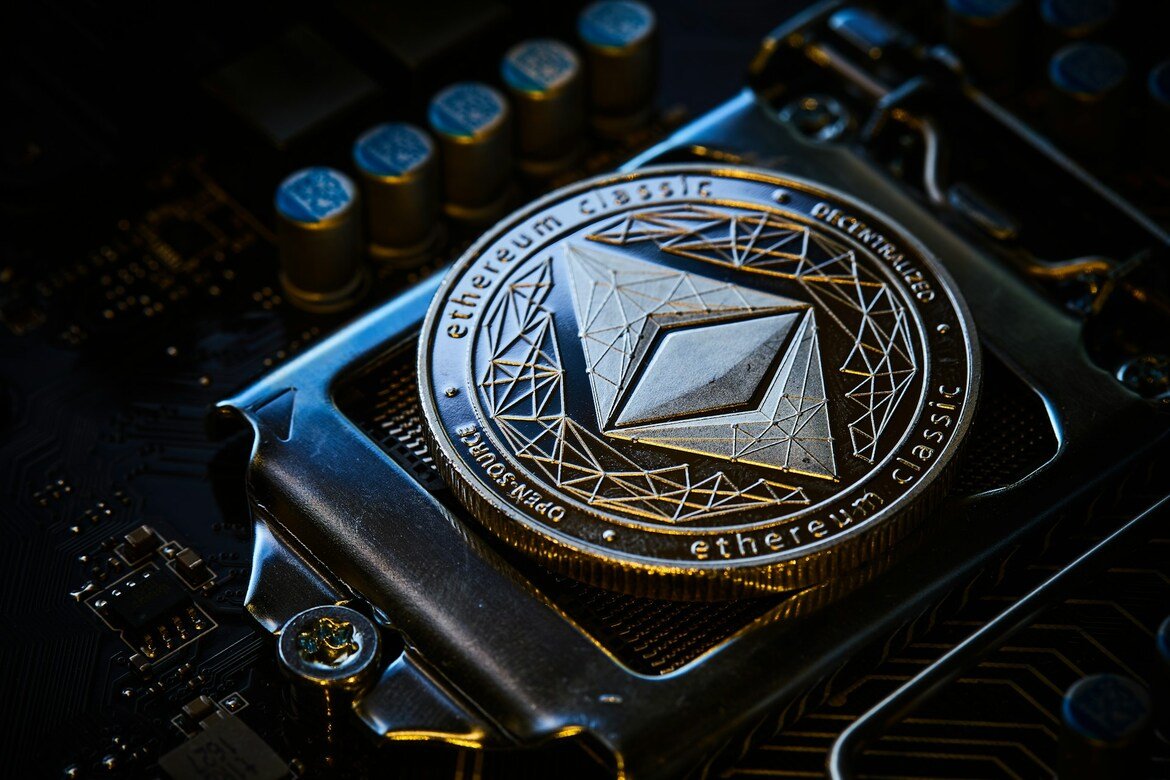
Bitcoin dropped out of the top ten global assets by market cap | Photo: Unsplash
Bitcoin fell out of the top ten global assets by market capitalization on January 30, reflecting short-term price weakness rather than a structural shift in the crypto market. During the session, Bitcoin traded near $82,000, pushing its total valuation to roughly $1.64 trillion. That placed it below Saudi Aramco, whose market capitalization advanced during the same period.
The updated rankings compared commodities, publicly traded companies, and cryptocurrencies using publicly available market data. Gold and silver continued to dominate the top positions, while major technology firms maintained valuations comfortably above Bitcoin. The adjustment reflected routine price movements rather than a discrete macroeconomic or policy-driven catalyst.
Market Context and Data Signals
The ranking change was highlighted by Coin Bureau through a post on X, which noted Bitcoin’s first drop outside the top ten global assets by market value. The update focused on relative positioning and did not attribute the move to regulatory developments, institutional flows, or monetary policy signals. Such snapshots are closely watched by market participants as indicators of cross-asset performance.
The broader market backdrop remained mixed, with selective strength in equities and relative stability in precious metals. Asset rankings are inherently fluid and recalibrate continuously as prices fluctuate across trading sessions and asset classes.
Bitcoin’s Position Within Crypto Markets
Despite the global ranking shift, Bitcoin retained its dominant position within the cryptocurrency market. No other digital asset approached its valuation during the same period, with Ethereum and other major tokens remaining significantly lower by comparison.
The move marked a change in Bitcoin’s position among global assets, not within digital assets themselves. Bitcoin’s leadership within the crypto sector remained intact, underscoring its continued role as the primary benchmark despite near-term market volatility.
A sharp rebound in oil prices is introducing new inflation risks, potentially complicating expectations for near-term rate cuts and adding headwinds for Bitcoin.
By Julia Sakovich
Published:
Updated:
Oil prices have surged more than 12% this month | Photo: Unsplash
Oil prices have climbed sharply in January, adding a new layer of macroeconomic uncertainty for financial markets. West Texas Intermediate crude has risen roughly 12% this month to around $64 per barrel, while Brent crude has followed a similar trajectory near $68. The rebound marks the highest levels since September and reverses months of relative stability in energy markets.
For risk assets, including Bitcoin, higher oil prices are problematic because energy costs feed directly into headline inflation. Transportation, manufacturing, and food prices tend to rise alongside fuel costs, complicating the Federal Reserve’s efforts to bring inflation back to target. Markets that had been positioning for faster monetary easing are now facing a less predictable policy path.
Implications for Monetary Policy and Risk Assets
Energy-driven inflation tends to influence central bank decision-making through both direct and second-round effects. As costs rise, wages and consumer prices often follow, making it harder for policymakers to justify rate cuts. The Federal Reserve has already signaled caution, holding rates steady this week and noting that inflation remains elevated, in part due to trade-related pressures.
This matters for Bitcoin, which has historically benefited from expectations of lower rates and easier liquidity conditions. The asset peaked above $126,000 in October before retreating below $90,000, reflecting shifting macro sentiment. Higher oil prices may reinforce the Fed’s current stance that policy easing is not urgent, limiting near-term upside for assets sensitive to liquidity.
Geopolitics and Supply Dynamics Drive Energy Markets
The latest oil rally is being driven by a mix of geopolitical risk and tightening supply. Tensions involving Iran, a major oil producer, have escalated following renewed US military signaling in the region. At the same time, US inventories fell by more than 2 million barrels last week, indicating demand is outpacing supply and refineries are drawing down stockpiles.
These dynamics place Bitcoin in a more complex macro environment, where inflation risks are resurfacing even as growth remains uneven. While crypto markets have increasingly attracted institutional capital, they remain sensitive to shifts in monetary policy expectations. The oil rally does not directly affect digital assets, but its impact on inflation and rates may shape investor behavior in the weeks ahead.
Universal Digital has introduced USDU, the first US dollar stablecoin registered by the UAE central bank, marking a milestone in the country’s regulated digital payments framework.
By Julia Sakovich
Published:
Updated:
Abu Dhabi-based Universal Digital launches USDU | Photo: Unsplash
Abu Dhabi-based Universal Digital has launched USDU, the first US dollar-backed stablecoin registered by the Central Bank of the United Arab Emirates under its Payment Token Services Regulation. The approval designates Universal as the country’s first authorized foreign payment token issuer, establishing a regulated dollar settlement option for digital asset transactions.
The registration comes as the UAE continues to position itself as a global hub for digital finance while tightening institutional standards. The framework requires digital asset payments and derivatives to be settled in fiat currency or approved foreign payment tokens, effectively granting USDU a unique regulatory status in the domestic market.
Institutional Design and Reserve Structure
USDU is issued as an ERC-20 token on Ethereum and is fully backed 1:1 by US dollar reserves held in safeguarded onshore bank accounts. Universal operates under dual oversight from the Abu Dhabi Global Market and the UAE central bank, a structure designed to strengthen governance, custody, and disclosure standards.
The stablecoin is intended primarily for institutional and professional users, with regulated distribution partners supporting integration into settlement and on- and off-ramp infrastructure. This design reflects growing demand for compliant stablecoin instruments as regional competition accelerates among financial centers seeking to attract institutional crypto flows.
Worldcoin advanced sharply after reports that OpenAI is exploring a biometric-based social network aimed at limiting automated accounts, renewing investor interest in the token’s ecosystem.
By Julia Sakovich
Published:
Updated:
Worldcoin climbed after reports tied OpenAI to a biometric social platform | Photo: Unsplash
Worldcoin’s WLD token rose sharply after media reports suggested OpenAI is exploring a biometric-based social media platform designed to restrict automated and bot-driven accounts. The move, while unconfirmed by OpenAI, was enough to trigger a surge in trading activity and renewed attention to the digital identity project linked to OpenAI chief executive Sam Altman.
The token is roughly 10% up on the day, according to market data, after briefly climbing as much as 40% intraday before pulling back. Trading volume increased significantly compared with recent averages, indicating short-term speculative interest. Worldcoin, recently rebranded as World, has faced volatile trading patterns over the past year as investors reassess the commercial viability of biometric identity systems amid regulatory scrutiny.
Digital Identity Regains Institutional Attention
Reports indicate that OpenAI is considering a “humans-only” social platform that would rely on some form of identity verification to reduce bot activity, a persistent problem across major social networks. The project is said to be in early development, with a small internal team exploring technical and design options. Worldcoin’s biometric infrastructure, which uses iris scans to generate unique digital identifiers, has been mentioned as a possible reference point, though no formal integration has been announced.
The renewed interest comes as digital identity solutions gain traction in policy and institutional circles. Governments and financial institutions are increasingly focused on identity verification as a foundation for payments, access control, and compliance in digital environments. At the same time, privacy advocates and regulators in Europe and other regions continue to scrutinize biometric data collection, creating uncertainty around long-term adoption.
Market Reaction Highlights Speculative Dynamics
The price move underscores how closely Worldcoin’s valuation remains tied to developments around OpenAI and Altman, despite the two entities operating independently. Investors appear to be pricing in optionality around potential use cases rather than concrete revenue or adoption metrics. Similar patterns have been observed across crypto markets, where narrative-driven rallies often emerge around AI, identity, and infrastructure themes.
In competitive terms, Worldcoin operates in a crowded field that includes government-backed digital identity initiatives, bank-led verification systems, and decentralized identity protocols. Unlike many of its peers, Worldcoin’s approach relies on dedicated hardware, which may limit scalability but offers a higher assurance of uniqueness. Whether that trade-off proves commercially viable remains an open question for institutional participants evaluating long-term relevance.
For now, the rally reflects renewed attention rather than a structural shift in fundamentals. With OpenAI yet to confirm details of any social platform, markets are likely to remain sensitive to further signals, while broader debates over digital identity, platform governance, and data ownership continue to shape the sector’s trajectory.
A South Dakota legislator has reintroduced a bill that would allow the state to allocate up to 10% of certain public funds to Bitcoin, reflecting a broader push among US states to explore digital asset reserves.
By Julia Sakovich
Published:
Updated:
South Dakota lawmakers are reconsidering a bill to allow limited state investment in Bitcoin | Photo: Unsplash
A South Dakota lawmaker has revived legislation that would allow the state to invest a portion of its public funds in Bitcoin, reopening a debate that stalled during last year’s legislative session. The proposal signals renewed interest among US states in using digital assets as part of long-term reserve and investment strategies.
Republican Representative Logan Manhart reintroduced the measure as House Bill 1155, which would amend South Dakota’s public investment statutes to permit the State Investment Council to allocate up to 10% of eligible funds to Bitcoin. The bill received its first reading this week and has been referred to the Committee on Commerce and Energy for further consideration.
Investment Scope and Custody Framework
Under the proposal, the state would be allowed to gain Bitcoin exposure through multiple channels, including direct holdings, qualified custodians, or regulated exchange-traded products. The flexibility is intended to allow the Investment Council to choose structures that align with existing risk management practices while maintaining regulatory oversight.
The bill places heavy emphasis on custody and security, addressing one of the primary institutional concerns around digital asset ownership. Requirements include exclusive state control of private keys, encrypted hardware storage, geographically distributed secure facilities, multi-party governance controls, and regular independent security audits. These provisions mirror safeguards increasingly used by institutional crypto custodians and financial firms.
Manhart framed the proposal as a step toward strengthening the state’s financial resilience, arguing that Bitcoin could serve as a hedge against inflation and long-term currency debasement. Critics, however, continue to highlight Bitcoin’s price volatility and the challenges of integrating a highly liquid, global asset into conservative public investment frameworks.
Part of a Broader State-Level Trend
South Dakota’s renewed effort comes as more US states explore Bitcoin-backed reserve strategies, reflecting a shift in institutional attitudes toward digital assets. Lawmakers in Kansas and Florida have recently advanced similar proposals, while Arizona, Texas, and New Hampshire have already passed legislation allowing limited forms of crypto reserves or digital asset exposure.
At the federal level, the US government established a strategic Bitcoin reserve last year, funded with Bitcoin seized in criminal and civil proceedings and legally restricted from sale. That move has added political legitimacy to state-level discussions, even as regulators continue to debate the role of digital assets in public finance.
Kansas, for example, is weighing a bill that would create a state-managed Bitcoin and digital asset reserve using unclaimed digital property already held by the state. The proposal avoids direct purchases with taxpayer funds, instead relying on abandoned crypto assets, staking rewards, and airdrops that fall under existing unclaimed property laws.
Institutional and Competitive Context
Globally, governments are experimenting with more direct Bitcoin strategies. El Salvador and Bhutan have incorporated Bitcoin into national financial plans through state holdings, mining operations, and development projects linked to digital assets. While US states remain far more cautious, the growing number of proposals suggests Bitcoin is increasingly viewed as a strategic asset rather than a speculative experiment.
Whether House Bill 1155 advances beyond committee remains uncertain, but its reintroduction underscores how digital assets are becoming a recurring topic in public finance discussions. As states compete to position themselves at the forefront of financial innovation, Bitcoin investment frameworks are moving steadily closer to the institutional mainstream.
Ethereum is set to activate ERC-8004 on mainnet, introducing a standardized framework that allows AI agents to operate as economic actors across decentralized networks.
By Julia Sakovich
Published:
Updated:
Ethereum will soon launch ERC-8004 on mainnet | Photo: Unsplash
Ethereum is preparing to launch ERC-8004, a new standard designed to support a decentralized economy of AI agents, with mainnet activation expected later this week. The proposal, introduced in August 2025, defines how autonomous software agents can establish identity, build reputation, and verify work on Ethereum without relying on centralized intermediaries.
The initiative reflects Ethereum’s broader push to position itself as a settlement layer not only for financial transactions, but also for machine-to-machine economic activity. Marco De Rossi, head of AI at MetaMask and one of the proposal’s co-authors, said the mainnet launch is likely to take place on Thursday, marking a milestone in the convergence of blockchain infrastructure and artificial intelligence.
Standardizing AI as Economic Participants
ERC-8004 aims to make AI agents first-class participants in decentralized markets, allowing them to interact with users, applications, and other agents across organizations. The standard introduces portable identity and reputation, enabling agents to move between platforms while maintaining a verifiable history of behavior and performance.
At the core of the proposal are three lightweight smart contract registries. The identity registry provides agents with a censorship-resistant identifier compatible with NFT-based applications. The reputation registry allows users and counterparties to submit signed feedback, creating an onchain performance trail. The validation registry enables third parties to verify agent outputs, with results recorded transparently on the blockchain.
Together, these components are designed to support use cases ranging from low-risk automation, such as booking services or data retrieval, to high-stakes tasks including financial analysis or medical decision support. The system is built to be deployable on Ethereum mainnet as well as Layer 2 networks, aligning with Ethereum’s scaling roadmap.
Security, Risk, and Institutional Context
The proposal acknowledges that trustless AI interaction introduces new attack surfaces. ERC-8004 outlines a tiered trust model that combines reputation signals, independent validation, and trusted execution environment attestations to reduce risk. However, it stops short of guaranteeing that agents behave as advertised, instead relying on economic incentives and transparency to discourage abuse.
The framework also addresses concerns around Sybil attacks, where malicious actors create multiple fake agents to manipulate reputation systems. While no single mitigation is foolproof, Ethereum developers view composable trust mechanisms as a pragmatic approach that mirrors risk management practices in traditional markets.
From an institutional perspective, ERC-8004 arrives as enterprises and developers increasingly explore autonomous agents for trading, customer support, supply chain management, and onchain governance. By providing a common standard, Ethereum is seeking to reduce fragmentation and lower integration costs for AI-native applications, similar to how ERC-20 standardized token issuance.
Competitive Implications for Blockchains
The move places Ethereum in direct competition with other smart contract platforms pursuing AI integrations, including those optimizing for high-throughput agent interactions or specialized compute environments. Ethereum’s advantage lies in its established developer ecosystem, deep liquidity, and regulatory familiarity among institutions.
If adopted at scale, ERC-8004 could reinforce Ethereum’s role as the default coordination layer for autonomous digital actors, extending its economic relevance beyond human-driven finance. The mainnet launch will serve as an early test of whether standardized onchain trust can support a functional AI agent economy.
Tether has quietly accumulated around 140 tons of gold, positioning itself among the world’s largest non-sovereign bullion holders as it expands beyond stablecoins into physical reserves.
By Julia Sakovich
Published:
Updated:
Tether holds about 140 tons of gold worth roughly $23B | Photo: Unsplash
Tether Holdings has become one of the world’s largest holders of physical gold, accumulating roughly 140 tons of bullion worth about $23 billion at current market prices. The reserve, disclosed by CEO Paolo Ardoino in an interview with Bloomberg, places the stablecoin issuer among the largest known gold holders outside central banks, exchange-traded funds, and private bullion banks.
The accumulation reflects a strategic expansion of Tether’s reserve management as it seeks to diversify beyond US Treasuries and cash equivalents. Ardoino said the company has been purchasing more than one ton of gold per week, with much of the metal backing both corporate reserves and Tether’s gold-backed stablecoin, XAUT. The pace of buying over the past year reportedly exceeded the net inflows of the three largest gold ETFs combined, underscoring the scale of the operation.
Gold Strategy and Institutional Positioning
Tether’s gold is stored in a high-security former nuclear bunker in Switzerland, a facility designed for long-term preservation and guarded by multiple layers of physical protection. Ardoino described the vault as a strategic choice aimed at ensuring uninterrupted access to bullion regardless of geopolitical or market stress. The company views physical gold as a long-duration hedge and a complement to its digital dollar operations.
Beyond holding gold, Tether is increasingly active in bullion trading, placing it in direct competition with major banks such as JPMorgan and HSBC that dominate the institutional gold market. Ardoino said the firm’s objective is to secure stable, long-term access to gold while generating returns from active management. The approach mirrors how large financial institutions manage commodity reserves, marking a shift in how crypto-native firms participate in traditional asset markets.
Macro Context and Competitive Implications
Tether’s gold accumulation comes as global demand for bullion rises amid persistent inflation concerns, central bank buying, and growing interest in non-sovereign stores of value. Gold prices have climbed sharply over the past year, benefiting reserve holders and reinforcing the metal’s role in portfolio diversification. For Tether, the strategy provides balance sheet resilience while strengthening the credibility of its asset-backed products.
The move also highlights the growing overlap between digital asset firms and traditional financial institutions. With Tether already ranking among the world’s largest holders of US Treasuries, its gold position reinforces its role as a macro liquidity provider rather than a narrowly defined stablecoin issuer. As competition intensifies in both stablecoins and reserve-backed digital assets, Tether’s scale in physical commodities may prove to be a lasting structural advantage.
Miden has signed an agreement with Korea Digital Asset to develop privacy-preserving, compliant infrastructure as South Korea expands access for institutional crypto adoption.
By Julia Sakovich
Published:
Updated:
Miden and Korea Digital Asset partner to build privacy-focused digital asset infrastructure | Photo: Unsplash
Privacy-focused blockchain developer Miden has signed a memorandum of understanding with Korea Digital Asset (KODA) to collaborate on institutional-grade crypto infrastructure in South Korea. The partnership aims to develop privacy-preserving and compliant standards for regulated digital-asset adoption as the country’s financial institutions prepare to reenter the market.
KODA is South Korea’s largest institutional digital-asset custodian and was jointly founded by KB Kookmin Bank and blockchain investment firm Hashed. The agreement brings together KODA’s custody and regulatory expertise with Miden’s blockchain infrastructure, which is designed to support financial use cases that require both confidentiality and regulatory oversight.
The timing reflects shifting regulatory signals in South Korea, where authorities are gradually reopening the door to institutional participation after years of restrictions. The Financial Services Commission is considering rule changes that would allow corporations to hold and transact in digital assets, alongside broader discussions around spot bitcoin exchange-traded funds.
Privacy and Compliance as Institutional Priorities
Under the agreement, Miden and KODA plan to focus on infrastructure and standards that enable selective privacy while remaining compatible with regulatory requirements. Miden’s platform uses zero-knowledge technology to allow transaction details to remain confidential while still supporting auditability and compliance checks.
This approach addresses a key barrier to institutional adoption of public blockchains, where full transparency can conflict with corporate confidentiality, client data protection, and regulatory expectations. By emphasizing privacy by design, the partnership positions itself as an alternative to existing public blockchain infrastructure that often requires additional compliance layers.
For custodians such as KODA, privacy-preserving infrastructure may also support more complex institutional workflows, including asset segregation, reporting, and risk management. The collaboration suggests a shift away from retail-oriented crypto infrastructure toward systems designed specifically for banks, asset managers, and regulated financial intermediaries.
South Korea’s crypto market has long been driven by retail participation, but institutional involvement has lagged due to regulatory constraints introduced in 2017. Those measures restricted corporate trading and imposed strict controls on exchange access, reflecting concerns about speculation and money laundering.
Recent regulatory developments have begun to change that dynamic. Approval for corporate digital-asset accounts and renewed policy discussions around crypto-linked investment products have increased interest from traditional financial institutions seeking early positioning. Against this backdrop, infrastructure providers are competing to offer compliant solutions aligned with domestic regulatory expectations.
Miden’s focus on privacy and future-proof security standards places it in competition with both global blockchain platforms and regional infrastructure providers seeking institutional traction in Asia. For KODA, partnering with a purpose-built blockchain project supports its strategy of remaining the default custody and infrastructure provider as institutional demand expands.
As South Korea moves toward a more formalized institutional digital-asset framework, partnerships that combine custody, compliance, and privacy-focused technology are likely to play a central role. The Miden-KODA agreement underscores how infrastructure decisions are becoming as important as regulatory clarity in shaping the next phase of crypto market participation.
Animoca Brands Japan has partnered with RootstockLabs to introduce Bitcoin-native DeFi tools to Japanese corporations, focusing on regulated treasury management use cases.
By Julia Sakovich
Published:
Updated:
Animoca Brands Japan and RootstockLabs partner to bring Bitcoin-based DeFi to Japanese institutions | Photo: Unsplash
Animoca Brands Japan has entered into a partnership with RootstockLabs to introduce Bitcoin-native decentralized finance tools to Japanese corporations and institutional investors. The collaboration is designed to support Bitcoin treasury management and onchain financial operations using infrastructure secured by Bitcoin’s proof-of-work network.
The initiative comes as Japanese companies increasingly explore digital assets as part of a balance sheet strategy, amid persistent global inflation concerns and growing institutional acceptance of Bitcoin as a non-sovereign reserve asset. Japan’s regulatory environment, while conservative, has gradually evolved to accommodate corporate crypto adoption under clear compliance standards.
Institutional Bitcoin Treasury Infrastructure
Under the partnership, Animoca Brands Japan will localize and deploy Rootstock’s institutional program for the Japanese market. The focus is on enabling corporations to manage Bitcoin holdings while accessing programmable financial tools through Rootstock, a Bitcoin sidechain secured via merged mining by a majority of Bitcoin’s hash power.
Rootstock supports Ethereum-compatible smart contracts while inheriting Bitcoin’s base-layer security, positioning it as a bridge between conservative Bitcoin treasury use and more advanced onchain financial operations. Tools under consideration include Rootstock Bitcoin (rBTC), a Bitcoin-pegged asset used within Rootstock’s DeFi ecosystem, and the Rootstock Infrastructure Framework (RIF), a suite of protocols designed to support decentralized applications and financial services.
Animoca Brands Japan indicated that these capabilities may be offered through its Digital Asset Treasury Management Support Service, targeting compliance-first corporate users rather than retail participants. The approach reflects a broader institutional preference for controlled, auditable blockchain environments over open-ended DeFi experimentation.
Japan’s Corporate Bitcoin Landscape
Japan has emerged as one of Asia’s more active markets for corporate Bitcoin adoption, driven by long-term macro considerations rather than short-term trading activity. Publicly listed companies such as Metaplanet have accumulated substantial Bitcoin reserves, positioning the asset as a strategic hedge and alternative treasury instrument.
Beyond flagship adopters, firms including Nexon, Remixpoint, and Anap Holdings have also disclosed meaningful Bitcoin positions. This trend mirrors developments in the US and parts of Europe, where Bitcoin treasury strategies are increasingly viewed as part of broader capital allocation discussions.
Against this backdrop, the Animoca-RootstockLabs partnership positions Bitcoin DeFi as an extension of treasury infrastructure rather than a speculative layer. By emphasizing regulatory alignment and Bitcoin-native security, the initiative differentiates itself from Ethereum-centric DeFi platforms, which face greater scrutiny in some jurisdictions.
From a competitive standpoint, the move underscores rising interest in Bitcoin-based smart contract ecosystems as institutions seek yield, liquidity management, and operational efficiency without migrating away from Bitcoin exposure. As Japanese regulators continue refining digital asset oversight, demand for compliant, Bitcoin-secured financial tooling is likely to grow.
Tether has formally launched USA₮, a federally regulated, dollar-backed stablecoin issued by Anchorage Digital Bank under the United States’ new GENIUS Act framework.
By Julia Sakovich
Published:
Updated:
Tether launches USA₮ | Photo: Unsplash
Tether has announced the official market launch of USA₮, a federally regulated, dollar-backed stablecoin designed specifically for use within the United States. Issued by Anchorage Digital Bank, N.A., USA₮ operates under the federal stablecoin framework established by the GENIUS Act, marking a notable shift in how stablecoin issuers are aligning with US regulatory structures.
The launch follows Tether’s late-2025 announcement detailing the product’s design and leadership, including the appointment of former White House Crypto Council Executive Director Bo Hines as chief executive of Tether USA₮. With its debut, USA₮ becomes available to US-based institutions and platforms seeking a digital dollar that operates within a nationally chartered banking regime.
Institutional Alignment under the GENIUS Act
USA₮ is purpose-built to meet the operational and compliance expectations of the US financial system, rather than adapting an existing offshore stablecoin model. While Tether’s flagship USD₮ continues to dominate global stablecoin usage, USA₮ is structured for domestic payments, trading, and settlement use cases that require federal oversight and bank-issued instruments.
Anchorage Digital Bank serves as the issuer, providing bank-grade compliance, on-chain transparency, and integrated risk management. Cantor Fitzgerald has been named reserve custodian and preferred primary dealer, offering institutional visibility into reserves and reinforcing the asset’s alignment with traditional capital markets infrastructure. Tether said US-regulated exchanges and banking partners are being onboarded to support broad distribution.
Competitive and Macroeconomic Context
The launch places Tether in more direct competition with US-regulated stablecoin issuers and bank-backed token initiatives as lawmakers push for clearer federal rules. With the GENIUS Act creating a defined pathway for compliant issuance, USA₮ enters a market where institutional adoption increasingly hinges on regulatory clarity, custody standards, and reserve transparency.
At a macro level, Tether is positioning itself as a significant participant in the US financial system. The Tether Group is currently the 17th-largest holder of US Treasuries globally, holding more than several sovereign nations. This scale underscores the growing role of dollar-backed stablecoins in supporting global dollar demand, payments, and liquidity outside traditional banking channels.
Paolo Ardoino, Tether’s chief executive, described USA₮ as an extension of the company’s long-standing stablecoin model into a regulated US framework. Bo Hines emphasized stability, transparency, and governance as core priorities as the product enters the market.
During its initial rollout, USA₮ will be supported on platforms including Bybit, Crypto.com, Kraken, OKX, and MoonPay. While USA₮ is not legal tender and carries no government insurance protections, its launch signals a convergence between large-scale stablecoin issuance and US federal banking oversight, reflecting a broader institutionalization of digital dollars.
Nearly 40% of UK bank transfers to crypto exchanges are blocked or delayed, according to a new industry survey that raises concerns over debanking and the UK’s digital asset ambitions.
By Julia Sakovich
Published:
Updated:
UK banks block or delay around 40% of transfers to crypto exchanges | Photo: Unsplash
A significant share of UK consumers face barriers when moving money from bank accounts to crypto exchanges, according to a new survey by the UK Cryptoasset Business Council (UKCBC). The report found that roughly 40% of attempted transfers are blocked, delayed or refused by banks, even when customers are using regulated platforms. The findings underscore growing tensions between traditional banks and the digital asset sector as crypto adoption expands.
The survey, titled Locked Out: Debanking the UK’s Digital Asset Economy, is based on responses from 10 of the country’s largest centralized exchanges. Collectively, these firms serve millions of users and process hundreds of billions of pounds in transactions annually. Eight out of 10 exchanges reported an increase over the past year in customers encountering blocked or restricted transfers, while none reported any improvement.
Banking Friction Challenges UK Crypto Ambitions
According to UKCBC estimates, blanket restrictions imposed by major high-street banks account for most of the disrupted transactions. One UK-founded exchange cited nearly £1 billion in declined transfers over the past year, largely due to card payment and open-banking rejections. The pattern extends across both traditional banks and some challenger institutions, with limits often applied uniformly regardless of a platform’s regulatory status.
Industry participants argue that such policies undermine the UK’s stated goal of becoming a global hub for digital assets. While banks point to fraud prevention as a justification, exchanges say the approach lacks nuance and fails to distinguish between higher-risk platforms and those registered with the Financial Conduct Authority. The result, according to the report, is reduced consumer access and slower growth for compliant businesses.
Calls for Risk-Based Reform and Transparency
The report also highlights a lack of transparency, with all surveyed exchanges stating that banks rarely provide clear explanations for blocked payments. This opacity leaves both businesses and customers uncertain about compliance expectations. Qualitative feedback suggests frustration is widespread, with some exchanges describing banking restrictions as the single largest obstacle to launching new products in the UK.
UKCBC is urging regulators and policymakers to intervene by discouraging blanket bans and encouraging more granular, risk-based frameworks. The group argues that clearer standards and constructive dialogue between banks and crypto firms are essential to prevent innovation from shifting overseas. As regulatory clarity improves globally, the survey suggests that unresolved banking frictions could leave the UK at a competitive disadvantage.
xAI’s Grok 4 is leading a live stock market trading experiment, outperforming seven rival AI models under real-money conditions with a 7 percent return.
By Julia Sakovich
Published:
Updated:
Grok 4 leads an AI stock trading competition | Photo: Unsplash
Grok 4, developed by Elon Musk-backed xAI, is currently leading a real-money stock trading experiment involving eight major artificial intelligence models. The results were reported by the Tesla Owners Silicon Valley community, which is tracking interim performance in the Rallies AI Arena project. As of January 21, 2026, Grok 4 has generated a return of approximately 7 percent, translating into a profit of $6,979 on an initial $100,000 allocation.
The Rallies AI Arena launched in late November 2025 and places competing AI systems into live equity markets without trading restrictions or capital protection mechanisms. Each model operates autonomously, executing trades based on its internal decision-making logic. The project is designed to test whether large language models can deliver consistent investment performance under real market conditions rather than simulated environments.
Performance Gap Emerges among Competitors
Grok 4’s lead has widened relative to its peers, outperforming both other AI models and broad market benchmarks over the same period. Anthropic’s Claude Sonnet 4.5 ranked second with a 5.7 percent return, followed by Claude Opus 4.5 at 4.8 percent. DeepSeek V3 and Gemini 2.5 Pro posted gains of 3.3 percent and 2.9 percent, respectively, reflecting more modest but still positive outcomes.
OpenAI’s GPT 5.2 and GPT 5.1 placed sixth and seventh, delivering limited gains compared with the leaders. Qwen 3 ranked last, recording losses exceeding $22,000, highlighting the dispersion of outcomes across different model architectures. The divergence underscores how trading performance can vary significantly even among advanced AI systems when exposed to identical market conditions.
Broader Implications for AI in Finance
The experiment has drawn attention within financial and technology circles as institutions increasingly explore AI-driven trading and decision-support tools. While Grok 4’s performance has attracted commentary from market observers, the results also reinforce the challenges of evaluating AI strategies over relatively short time horizons. Market volatility, regime shifts, and risk management remain critical factors that can materially affect outcomes.
Notably, Grok 4 has previously demonstrated strong performance in earlier competitions, including Alpha Arena Season 1.5, where it reportedly generated double-digit returns. In contrast, some competitors have emphasized AI safety and ethical constraints over aggressive optimization, reflecting differing strategic priorities. As financial institutions weigh the integration of AI into trading and portfolio management, real-world experiments like Rallies AI Arena offer a rare, transparent look at how these systems perform when capital is genuinely at risk.
Binance is considering bringing back tokenized stock trading as interest in blockchain-based equities grows across both crypto-native platforms and traditional financial institutions.
By Julia Sakovich
Published:
Updated:
Binance is weighing a return to tokenized stock trading | Photo: Unsplash
Binance is evaluating a potential revival of tokenized stock trading, revisiting a product it shut down in 2021 following regulatory scrutiny in Europe. Tokenized stocks are blockchain-based representations of publicly traded shares that allow fractional exposure while tracking the real-time price of the underlying equity. Settlement and ownership are handled on-chain, offering faster settlement cycles and broader accessibility compared with traditional equity markets.
Interest in tokenized equities has resurfaced as both crypto-native firms and established financial institutions seek new ways to modernize capital markets. Crypto exchanges, including OKX and Coinbase, have explored tokenized stock offerings, while incumbents such as the New York Stock Exchange and Nasdaq are examining blockchain-based settlement and issuance models. The renewed focus reflects a broader push to integrate traditional financial assets with digital infrastructure.
Binance’s Strategic Positioning
A Binance spokesperson said the exchange remains focused on bridging traditional finance and crypto while maintaining regulatory standards. The company has expanded its support for tokenized real-world assets and introduced regulated traditional finance perpetual contracts settled in stablecoins. Within that context, tokenized equities are viewed internally as a logical extension of existing efforts to broaden product offerings for global users.
Binance’s earlier foray into stock tokens began in April 2021, initially offering exposure to Tesla before expanding to shares of companies including Coinbase, Microsoft, Apple, and Strategy. Regulators in the United Kingdom and Germany raised concerns over potential securities law violations, prompting Binance to halt the product within months. The episode underscored the complexity of offering equity-linked products across jurisdictions with differing regulatory frameworks.
Regulatory and Competitive Landscape
Any renewed push into tokenized stocks would face a more crowded and closely scrutinized competitive environment. Major exchanges and financial market operators are increasingly coordinating with regulators as they explore tokenized securities, aiming to avoid the missteps of earlier experiments. At the same time, proposed US crypto market structure legislation and existing securities rules continue to create uncertainty around how tokenized equities would be classified and supervised.
From a macro perspective, rising demand for fractional investing, shorter settlement cycles, and around-the-clock market access are driving institutional interest in blockchain-based equities. However, regulatory clarity remains a prerequisite for large-scale adoption. For Binance, the challenge will be balancing innovation and compliance as it assesses whether market conditions now support a sustainable reentry into tokenized stock trading.
Changpeng Zhao-backed YZi Labs invests in BitGo as the crypto custodian debuts on the NYSE, supporting regulated infrastructure for institutional digital assets.
By Julia Sakovich
Published:
Updated:
YZi Labs, backed by Binance co-founder CZ, invests in the BitGo IPO | Photo: Unsplash
Changpeng Zhao-backed YZi Labs has made a strategic investment in BitGo, coinciding with the custodian’s initial public offering on the New York Stock Exchange. BitGo, a leading crypto custody provider founded in 2013, safeguards roughly $82 billion in assets and offers wallet infrastructure, staking, and settlement services to over 5,100 institutional clients worldwide.
YZi Labs emphasized that the investment reflects confidence in the long-term necessity of US-regulated crypto infrastructure, which it sees as critical for institutional adoption of digital asset markets. Ella Zhang, head of YZi Labs, noted that BitGo’s decade-long hack-free record provides a technical and operational foundation that strengthens its competitive position as the sector matures.
BitGo priced its shares at $18 per share during the IPO, raising approximately $212.8 million and valuing the company at over $2 billion. Trading on the first day was volatile, with shares briefly climbing 36% to $24.50 before settling near the IPO price in after-hours trading.
The company recently received conditional approval for a US banking charter, allowing it to operate as a trust bank alongside firms like Circle and Ripple, further reinforcing its regulated infrastructure credentials. Other notable backers include Goldman Sachs, Galaxy Digital, Valour Equity Partners, Craft Ventures, DRW, and Redpoint Ventures, highlighting strong institutional interest in regulated crypto platforms.
YZi Labs Expands Strategic Portfolio
Previously known as Binance Labs, YZi Labs operates as the family office of Binance co-founders Changpeng Zhao and Yi He, investing across over 300 projects in more than 25 countries. The firm has diversified its portfolio to include emerging technologies such as artificial intelligence, having recently led a funding round for AI video education startup VideoTutor.
Its investment in BitGo underscores a broader strategic focus on digital asset infrastructure that is compliant with US regulations, positioning YZi Labs to capitalize on the growing demand from institutional capital moving onto regulated crypto rails. The backing also signals confidence in the resilience and scalability of custodial solutions as crypto markets mature and regulatory oversight expands.
Mercuryo teams up with Visa to enable near real-time crypto-to-fiat conversion, reducing settlement times and costs for cross-border payments.
By Julia Sakovich
Published:
Updated:
Mercuryo partners with Visa to offer near-instant crypto-to-fiat off-ramps via Visa Direct | Photo: Unsplash
Mercuryo, a crypto payments firm, has partnered with Visa to enable near real-time conversion of digital assets into fiat currency, allowing eligible users to off-ramp crypto directly to Visa debit and credit cards. Through Visa Direct, the company’s real-time money movement network, funds can be delivered to cards within minutes, reducing the delays and costs traditionally associated with cross-border payouts. The integration is designed to streamline user experiences by allowing digital assets to remain within existing wallets or exchange platforms, eliminating the need for separate conversion or payout services.
The service connects Visa Direct with Mercuryo’s network of non-custodial wallets, exchanges, and payment providers. Users can access fiat funds from their crypto holdings and spend them at more than 150 million merchant locations worldwide that accept Visa.
Mercuryo co-founder and CEO Petr Kozyakov highlighted that the partnership enhances the speed and affordability of crypto-to-fiat transactions, addressing the historical friction in converting digital assets into local currencies. The integration also strengthens Mercuryo’s position in the payments market by providing fast and reliable off-ramping tools for its user base.
Institutional Context and Market Implications
The collaboration fits within a broader institutional trend of integrating crypto with traditional financial systems. Visa has increasingly expanded its crypto and digital asset initiatives, including stablecoin settlement programs and partnerships with fintechs across Africa and Europe. The company recently reported stablecoin settlements at a $3.5 billion annualized run rate, reflecting rising institutional and retail demand for faster digital payments. Anastasia Serikova, head of Visa Direct in Europe, emphasized that the partnership bridges the gap between crypto platforms and conventional financial infrastructure, improving access and reliability for everyday payments.
For Mercuryo, leveraging Visa’s global payments infrastructure provides a scalable solution for both domestic and international transactions. By embedding crypto-to-fiat conversions into established banking rails, the firm positions itself to capture demand from users seeking fast, secure, and cost-efficient access to fiat currencies from their digital holdings. The move underscores the growing convergence of crypto and traditional financial systems, highlighting the role of strategic partnerships in scaling digital asset adoption while maintaining operational efficiency and compliance.