China’s central bank has opened high-level policy talks to strengthen enforcement against stablecoin and crypto payments amid the renewed trading activity.
By Julia Sakovich
Published:
Updated:
China’s central bank is coordinating with major agencies to tighten controls on stablecoin and crypto payments | Photo: Unsplash
China is escalating its scrutiny of digital asset activity as the People’s Bank of China (PBOC) convenes senior officials across law enforcement, cyberspace administration, and judicial bodies. The meetings center on new enforcement measures aimed at curbing stablecoin and crypto payments that officials say have resurfaced despite the country’s 2021 ban. Regulators cited a rise in unauthorized fundraising, cross-border transfers, and online fraud schemes tied to anonymized digital asset flows.
Authorities reiterated that virtual assets have no legal tender status in China and cannot circulate as a means of payment. Stablecoins, in particular, were flagged for complicating customer identification and hindering financial investigations. Officials described these factors as contributing to broader financial risk management challenges at a time when local governments face fiscal constraints.
Institutional Coordination and Market Implications
The PBOC is calling for tighter inter-agency coordination, including enhanced monitoring tools, data-sharing infrastructure, and closer cooperation between financial supervisors and public security units. The initiative aligns with China’s broader effort to safeguard capital controls and reinforce oversight of domestic payment channels amid macroeconomic pressures.
China’s posture also reflects growing sensitivity to digital asset developments outside the mainland. Earlier this year, the securities regulator informally asked major Hong Kong brokerages to pause tokenization projects, signaling caution toward offshore digital asset expansion. Meanwhile, state-linked enterprises have explored blockchain-based settlement models, and policymakers are discussing the potential issuance of yuan-backed stablecoins to strengthen China’s role in global payments.
These moves illustrate Beijing’s dual approach: restricting private crypto activity while assessing controlled, state-managed digital finance systems. The renewed enforcement push suggests rising concern that stablecoin flows could undermine domestic oversight as global regulatory frameworks continue to advance.
CoinShares has withdrawn its planned Solana, XRP, and Litecoin ETFs, signaling a strategic pause as regulatory expectations evolve and competition intensifies in the US crypto ETF market.
By Julia Sakovich
Published:
Updated:
CoinShares has halted plans for Solana, XRP, and Litecoin ETFs | Photo: Unsplash
CoinShares has ended its push to list three cryptocurrency exchange-traded funds, formally withdrawing applications tied to Solana, XRP, and Litecoin. Updated documents filed with the Securities and Exchange Commission (SEC) show that the issuer requested withdrawal of each registration, noting that no shares were sold and no transactions occurred under the proposed structures.
The ETF plans had been in development for much of the year, with the Solana Staking ETF originally filed in June and amended several times through early fall. Similar withdrawal requests were filed for the XRP and Litecoin products, each stating that the anticipated launch conditions were not met. All letters were signed by Charles Butler, a senior financial officer at the firm.
The move highlights how issuers may be reevaluating product viability amid shifting regulatory signals. Several crypto ETF applications have experienced revisions or structural adjustments across the industry, including changes in other XRP-related filings from separate firms.
Regulatory Shifts and Competitive Pressures Shape Issuer Decisions
CoinShares’ decision arrives as the SEC accelerates review timelines for digital asset products and continues to refine its expectations for disclosures, custody, staking mechanisms, and market surveillance. The agency recently pulled back several delay notices covering Solana and XRP ETF proposals, suggesting a more active regulatory stance heading into 2025.
At the same time, the competitive landscape for crypto ETFs has tightened. Established asset managers and specialist firms are competing across multiple asset classes, from bitcoin and ether to emerging single-token products. Timing and liquidity considerations are increasingly central as issuers seek first-mover advantage and aim to align with institutional demand patterns.
Other firms are still advancing their filings. Franklin Templeton recently submitted its final Solana ETF registration after progress on its XRP product, reflecting continued interest from large managers to broaden their crypto lineups despite market volatility.
The asset prices of Solana, XRP, and Litecoin traded lower following the withdrawal notices, according to market data, with XRP down slightly and Solana and Litecoin declining a bit more than 2 percent.
While the pullback does not preclude CoinShares from reentering the market, it underscores the operational and regulatory complexity surrounding new crypto ETFs at a time when investor attention remains focused on product structure, liquidity, and long-term adoption trends.
KuCoin’s European division has obtained a Markets in Crypto Assets (MiCA) license in Austria, enabling the exchange to offer regulated crypto services throughout the European Economic Area.
By Julia Sakovich
Published:
Updated:
The European arm of cryptocurrency exchange KuCoin has won licensing to offer services across the EEA | Photo: Unsplash
KuCoin’s European arm has obtained a Markets in Crypto Assets (MiCA) regulation license in Austria. This marks a significant step in the exchange’s expansion across the European Economic Area (EEA). The license will allow KuCoin EU to provide regulated crypto services throughout member states, leveraging the MiCA framework designed to standardize compliance across the region.
MiCA Framework and Regulatory Context
MiCA, which came into effect late in 2024, enables crypto companies to obtain a license in a single EEA market and passport their services across other member states. The framework aims to provide regulatory certainty for investors and companies alike, though some market observers have expressed concerns over inconsistent licensing practices across certain jurisdictions.
Global Expansion and Institutional Positioning
The licensing comes shortly after KuCoin registered with Australia’s financial intelligence agency, Austrac, allowing it to operate legally as a crypto exchange in the country. Together, these developments reflect the firm’s broader strategy of expanding regulated operations globally, responding to heightened institutional scrutiny and evolving compliance standards.
KuCoin has over 40 million users in more than 200 countries. Now, it continues to strengthen its institutional credibility amid a period of increasing regulatory focus in Europe and Asia. Analysts note that regulated licenses such as MiCA are essential for exchanges seeking to attract institutional capital and provide greater market stability, especially in a landscape where investor protection and transparency are increasingly prioritized.
Market participants have highlighted that the MiCA framework could accelerate the adoption of crypto services by providing a clear regulatory pathway. For KuCoin EU, the Austrian license not only offers a regulatory footprint but also positions the exchange to compete more effectively with other EEA-licensed platforms. The move is expected to influence competitive dynamics among crypto exchanges as licensing becomes a key differentiator for investor confidence.
South Korean authorities are investigating a possible connection between the recent $36 million hack of the Upbit crypto exchange and the North Korea-linked Lazarus Group.
By Julia Sakovich
Published:
Updated:
South Korean regulators suspect the Lazarus Group may be responsible for the Upbit hack | Photo: Unsplash
South Korea’s largest digital asset exchange, Upbit, temporarily suspended deposits and withdrawals after detecting unusual activity in Solana network tokens, subsequently confirming a significant security breach. The exchange reported an unauthorized withdrawal of approximately 54 billion Korean won, equivalent to about $36-$37 million, from one of its hot wallets.
This event marks the second substantial hot wallet breach for the exchange in six years and immediately drew the attention of South Korean authorities, underscoring the persistent security challenges facing major crypto exchanges globally.
The theft involved the transfer of funds, specifically Solana tokens, and security experts quickly pointed to the potential involvement of the Lazarus Group, a sophisticated hacking collective allegedly linked to North Korea.
Authorities suspect the attack may have involved the hijacking or impersonation of admin credentials, a tactic that mirrors the methodology used by the Lazarus Group in Upbit’s 2019 breach. The use of mixing techniques to launder the stolen funds further supports the suspicion, as this method is commonly employed by the North Korean group to circumvent tracing and acquire foreign currency.
Geopolitical Cyber Risks and Market Context
The macro and institutional context surrounding this incident is highly relevant. North Korea’s state-sponsored hacking operations, often attributed to the Lazarus Group, are primarily motivated by a critical need for foreign currency to bypass international sanctions and fund its government and weapons programs.
Successful cyber heists targeting financial institutions and cryptocurrency platforms have become a primary source of illicit revenue for the regime. This competitive threat keeps South Korea’s financial sector in a constant state of heightened alert, positioning these security breaches not just as corporate incidents but as issues of national security.
The timing of the hack, November 27, coincided with a major corporate development: a merger announcement involving Upbit’s parent company, Dunamu, and the Korean tech giant Naver.
This confluence of events has fueled speculation among security pundits that the hackers may have deliberately chosen the date to maximize the visibility and impact of their attack. Such a coordinated strike on a significant day for a key South Korean financial entity would align with a psychological warfare or “show-off” mentality, further suggesting a sophisticated, state-level actor. The institutional response will likely involve a push for stricter regulatory oversight and enhanced cold storage practices across the Korean crypto market.
Solana-based meme coin BONK is now trading as an Exchange Traded Product (ETP) on the SIX Swiss Exchange, providing a regulated access point for retail and institutional investors.
By Julia Sakovich
Published:
Updated:
The Bonk Exchange Traded Product (ETP) is now available on SIX Swiss Exchange | Photo: Unsplash
The Solana-based meme coin Bonk (BONK) has initiated trading as an Exchange Traded Product (ETP) on the SIX Swiss Exchange, marking a new step in the convergence of volatile digital assets and established financial infrastructure. This launch, facilitated by Swiss-based ETP issuer Bitcoin Capital, offers both institutional and retail clients a regulated avenue to gain exposure to the token through standard brokerage platforms. BONK is currently ranked as the seventh-largest meme coin by market capitalization.
The first-ever $BONK ETP is now trading on SIX Swiss Exchange.
Investors can now access exposure to the BONK ecosystem through a fully regulated, exchange-traded product, powered by Bitcoin Capital.
The debut of the BONK ETP reflects Europe’s continued leadership in creating regulated crypto investment vehicles, a trend that began with products tracking Bitcoin and Ethereum. Marcel Niederberger, CEO of Bitcoin Capital and FiCAS, emphasized that Switzerland’s robust regulatory environment and market practices made it the preferred jurisdiction for launching the product.
Regulated access, according to Niederberger, is crucial for fostering investor confidence and improving market liquidity, with the issuer noting that the majority of current inflows into its existing products originate from institutional desks. The firm anticipates a further expansion of regulated products tied to BONK next year, driven by the maturing infrastructure and a rising institutional appetite for thematic digital assets.
Competition and Market Context
The listing of the BONK ETP occurs amid a broader global trend of increased institutional product offerings for meme coins. While Dogecoin (DOGE), the largest asset in the sector, has seen a flurry of recent fund activity in the United States, the European market is beginning to diversify its offerings beyond the market leaders.
By integrating BONK into a regulated exchange, Bitcoin Capital is positioning the product to attract capital seeking exposure to high-velocity assets within the Layer-1 network. The token’s inherent volatility, driven largely by community dynamics and speculative interest, is now packaged for investors who prioritize trading through compliant, liquid financial instruments over direct custody.
Institutional Appetite for Thematic Exposure
The listing of a dedicated ETP for a highly speculative meme coin suggests a growing willingness to engage with the thematic and volatile fringes of the crypto market. Publicly traded companies pivoting to hold crypto treasuries, including meme coins, further indicate a widening scope for digital asset integration into conventional balance sheets.
This structural bridge provided by the ETP allows large-scale investors to access the risk and return characteristics of BONK without navigating the operational complexities of decentralized asset ownership. The development underscores a market segment that views certain community-driven tokens as high-growth, albeit high-risk, directional bets on their underlying blockchain ecosystems, in this case, Solana.
Visa has partnered with Aquanow to expand stablecoin settlement capabilities across the CEMEA region, enabling issuers and acquirers to settle transactions using USDC for faster, lower-cost cross-border payments.
By Sophie Anders
Published:
Updated:
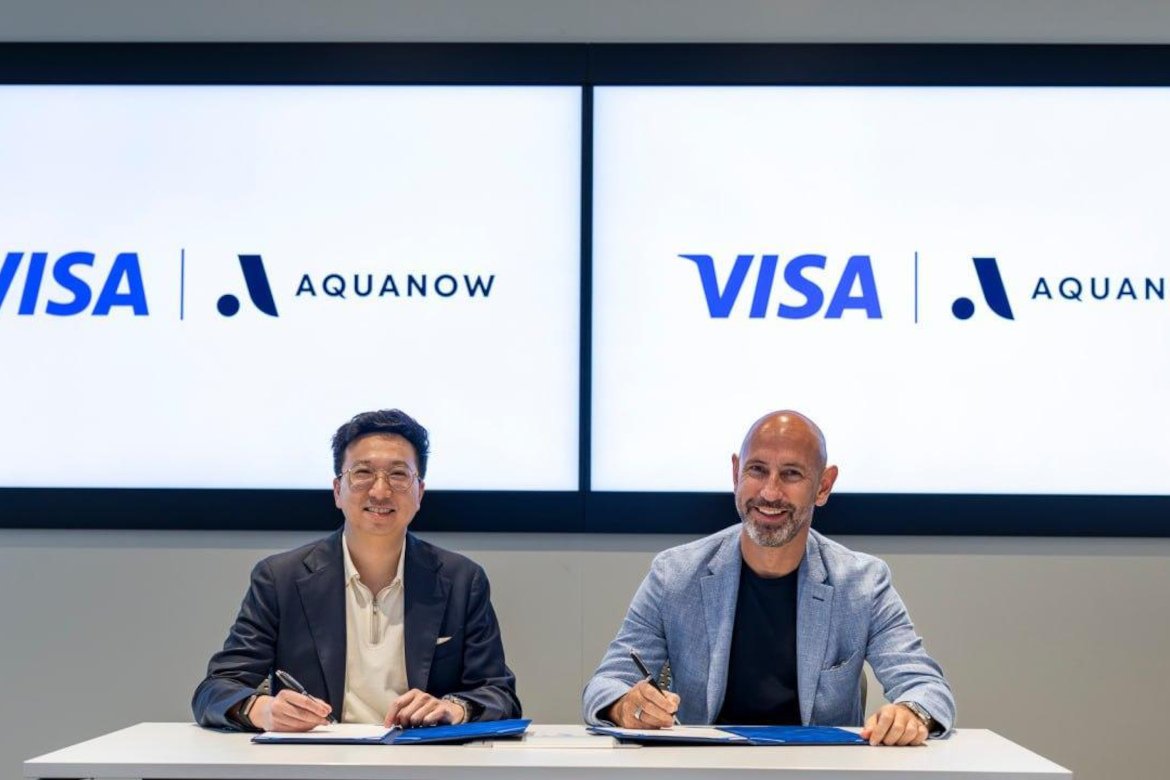
Visa expands its stablecoin settlement capabilities in partnership with Aquanow across the CEMEA region. Photo: Visa
Visa has expanded its stablecoin settlement capabilities across the Central and Eastern Europe, Middle East and Africa region through a new partnership with Aquanow, a global digital assets platform specializing in liquidity and infrastructure.
The integration allows Visa’s issuers and acquirers to settle transactions using approved stablecoins such as USDC, lowering operational costs and significantly accelerating settlement speed for cross-border transactions.
Visa’s move reflects growing demand among banks and payment providers for more efficient settlement mechanisms, especially in regions where traditional cross-border rails remain slow, expensive, and heavily intermediated.
By integrating Aquanow’s digital asset infrastructure into its own payments stack, Visa aims to enable 365-day settlement, improving operational continuity and reducing friction in international money movement.
Visa was one of the first major payments networks to experiment with stablecoin settlement, beginning with a pilot in 2023 that allowed clients to fulfill settlement obligations in USDC. Since then, monthly volume on stablecoin settlement rails has surpassed an annualized 2.5 billion dollars, underscoring accelerating institutional adoption.
“By harnessing the power of stablecoins and pairing them with our trusted global technology, we are enabling financial institutions in CEMEA to experience faster and simpler settlements,” said Godfrey Sullivan, Head of Product and Solutions for the region.
He noted that the Aquanow partnership represents a meaningful step in modernizing the back-end infrastructure of payments and reducing reliance on legacy systems that involve multiple intermediaries.
Aquanow Provides Infrastructure for Digital Asset Settlement
Aquanow, which powers billions of dollars in monthly crypto brokerage and payments volume, will provide the connectivity and infrastructure layer allowing Visa participants to settle in stablecoins with near-instant finality. The firm’s CEO, Phil Sham, said the collaboration will help institutions access digital asset markets with the speed and transparency of internet-native settlement.
Aquanow operates across multiple jurisdictions with regulatory approval, including Dubai’s Virtual Assets Regulatory Authority, where its regional operation offers broker-dealer, lending, and investment services. The partnership aligns with Visa’s broader strategy to support regulated digital asset adoption among traditional financial institutions.
The Future of Global Money Movement
Visa’s expanded settlement capabilities highlight a broader industry shift toward blockchain-enabled financial infrastructure. Stablecoins have become a foundational component in global money movement due to their programmability, transparency, and speed, especially in markets with high remittance volumes and cross-border trade.
The CEMEA region, which includes fast-growing digital payments markets such as the UAE, Saudi Arabia, Kenya, and South Africa, exhibits strong demand for next-generation settlement rails. By combining Visa’s global network with Aquanow’s digital asset expertise, the companies aim to offer a more resilient, low-cost alternative to traditional settlement mechanisms.
As financial institutions increase their use of tokenized money and digital asset settlement, partnerships like this are expected to play a central role in building the future of global payments. Visa’s collaboration with Aquanow reinforces that stablecoins have moved from experimental tools to practical infrastructure powering real-world financial activity.
KuCoin Pay has launched KuCoin Pay Travel in partnership with Entravel, creating a new global platform for crypto-based hotel bookings with discounts of up to 60%.
By Julia Sakovich
Published:
Updated:
KuCoin Pay has launched KuCoin Pay Travel in partnership with Entravel | Photo: Unsplash
KuCoin Pay, the payment solution arm of the global cryptocurrency exchange KuCoin, has announced the launch of KuCoin Pay Travel, a new crypto-native travel booking platform. The initiative is a strategic partnership with Entravel, an AI-powered travel infrastructure provider. The collaboration is designed to increase the real-world application of digital assets by connecting KuCoin’s user base of over 40 million with more than 2.2 million hotels globally.
The platform offers customers the ability to book accommodations, from budget to luxury resorts, with seamless payments utilizing over 50 cryptocurrencies. This integration includes exclusive discounts of up to 60%, a competitive incentive aimed at driving widespread adoption. The move aligns with a broader industry macro trend where digital asset exchanges are seeking to bridge the gap between financial trading and everyday commerce, focusing on sectors with high-volume, cross-border transactions like travel.
Institutional Competition in Web3 Payments
This launch positions KuCoin Pay Travel directly within a growing competitive landscape of Web3 payment and travel platforms. The demand for flexible, borderless payment options among global travelers is rising, with data indicating that stablecoins now account for a significant portion of crypto payment volume in the travel industry. By offering significant discounts and supporting a large array of cryptocurrencies, KuCoin is competing on both utility and value against traditional payment rails and established crypto-focused travel agencies.
The institutional context involves a continual race among major exchanges to build comprehensive ecosystems that enhance customer retention and increase transactional volume. Expanding into travel, alongside recent integrations in retail and software licensing, helps KuCoin diversify its offerings and reinforce its commitment to compliance and security. This strategy aims to build consumer trust by providing practical, compliant, and secure ways to spend digital assets globally.
Accelerating Global Adoption
The Managing Director of KuCoin, Alicia Kao, commented that the partnership with Entravel is a significant step in making cryptocurrency genuinely useful in daily life.
“By expanding KuCoin Pay into global travel, we are giving users practical, meaningful ways to use their digital assets, whether for convenience, value, or global mobility. Our focus remains on building a secure, compliant environment where crypto can power real transactions and deliver real benefits to people around the world,” she added.
As the regulatory environment matures globally, the ability to offer a compliant and secure infrastructure becomes critical for scaling such ventures. By leveraging Entravel’s specialized booking engine and KuCoin Pay’s established digital asset framework, the platform is addressing the technical and logistical hurdles that have historically slowed the adoption of crypto payments in the mainstream travel industry. This focused effort on utility and integration is key to accelerating the widespread acceptance of digital assets for real-world applications.
The Australian government introduced comprehensive legislation to Parliament requiring crypto exchanges and custody providers to obtain an Australian Financial Services Licence (AFSL).
By Julia Sakovich
Published:
Updated:
Australia introduced a bill requiring crypto exchanges and custody providers to obtain an AFSL | Photo: Unsplash
Australia’s Federal Government has formally initiated a comprehensive regulatory framework for digital asset custody and exchange platforms.The Corporations Amendment (Digital Assets Framework) Bill 2025 was introduced to Parliament on Wednesday by Treasurer Jim Chalmers and Financial Services Minister Daniel Mulino.This landmark legislation establishes the nation’s first bespoke rules for businesses that hold digital assets on behalf of customers.
New Product Classes, Mandatory Licensing in Australia
The core of the new legislation is the establishment of two distinct financial product categories under the Corporations Act.The first, Digital Asset Platforms, targets facilities where operators hold client crypto assets and provide transactional functions, such as buying, selling, or staking.The second, Tokenized Custody Platforms, covers operators handling real-world assets, like property or bonds, and issuing redeemable digital tokens representing the underlying asset.
Operators of both platform types will be required to hold an Australian Financial Services Licence (AFSL).This mandate imposes strict compliance obligations, including the requirement to act “efficiently, honestly and fairly,” adhere to ASIC’s custody and settlement standards, and provide robust protections for client assets.Penalties for non-compliance may run into the multimillions, which reflects the government’s focus on consumer protection.
Institutional Context and Industry Feedback
The government asserts the legislation is necessary to close regulatory voids that have left billions in client assets vulnerable, a risk highlighted by recent global crypto platform collapses.By imposing clear financial sector safeguards on digital asset custodians, officials believe the bill can unlock approximately $24 billion in annual productivity gains for the Australian economy. This institutional clarity is intended to foster confidence and attract both domestic and international investment.
The officials wrote:
“We take Australia’s crypto industry seriously, and we know that blockchain and digital assets present big opportunities for our economy, our financial sector, and our businesses.”
However, industry experts maintain that the framework still presents challenges. While low-risk operators (those holding under $5,000 per customer and facilitating less than $10 million in annual volume) are exempt from full AFSL requirements, the wider compliance costs remain a concern. Critics argue that Australia has fallen behind other global jurisdictions in establishing a clear digital asset regime, and further regulatory clarity, particularly concerning taxation, is still needed.
Upbit reported a security breach on the Solana network, resulting in the unauthorized withdrawal of approximately $38 million in various Solana-based assets.
By Julia Sakovich
Published:
Updated:
Upbit halted operations after an abnormal withdrawal | Photo: Unsplash
The South Korean digital asset market was placed under scrutiny after Upbit, the nation’s largest crypto exchange, confirmed a major security incident resulting in the loss of roughly $38 million in Solana-based tokens.
The unauthorized activity was detected at approximately 4:42 a.m. KST on November 27, when a variety of assets, including SOL, USDC, BONK, and TRUMP, were moved from the exchange’s hot wallet to an external, unauthorized address.
NEW: UPBIT DISCLOSES ~$37M HACK ON SOLANA NETWORK – "TO PREVENT ANY DAMAGE TO MEMBER ASSETS, THE ENTIRE AMOUNT WILL BE COVERED BY UPBIT'S HOLDINGS. WE WOULD LIKE TO REITERATE THAT THIS WILL NOT AFFECT MEMBER ASSETS"
Upon identifying the “abnormal withdrawal,” Dunamu CEO Oh Kyung-seok reported that the exchange immediately suspended all deposit and withdrawal functions to contain the outflow. This swift operational halt enabled the exchange to prevent additional losses. To secure remaining client holdings, Upbit transferred all unaffected digital assets into cold storage.
Following an internal system review confirming the scale of the drain, Upbit announced it would absorb the entire financial impact of the $38 million loss using its own corporate reserves. This commitment is intended to ensure that no user funds are compromised.
The exchange has already frozen approximately $8.20 million in stolen tokens through active on-chain monitoring. Now, it is collaborating with partner projects to track and block the remaining assets as investigators trace their movements across the network.
Regulatory and Institutional Context
The security lapse is expected to draw attention from South Korean law enforcement and financial regulators. Upbit has committed to supplying all necessary data to support an official investigation into the incident, which parallels a major attack the exchange suffered on the same date in 2019. That earlier breach involved the theft of 342,000 ETH, which authorities later attributed to North Korean state-sponsored actors. The historical parallel introduces heightened scrutiny regarding the current attack’s sophistication and origin.
The incident is also unfolding during a significant period for Upbit’s parent company, Dunamu. Reports indicate that Naver, a leading South Korean internet conglomerate, is actively pursuing a multibillion-dollar stock-swap merger to acquire Dunamu.
The security breach adds a layer of operational risk assessment to these corporate merger discussions, potentially influencing the stakeholder calculus regarding Upbit’s stability and its long-term objective of a potential Nasdaq listing. Upbit has initiated a comprehensive, system-wide audit of all deposit and withdrawal infrastructure, extending beyond the affected Solana components, and plans to gradually reopen services only after full stability is confirmed.
Cathie Wood’s ARK Invest has intensified its purchasing of crypto-linked equities, spending over $93 million in a single day to acquire shares in companies including Block, Circle Internet Group, Coinbase, and Bullish.
By Julia Sakovich
Published:
Updated:
Ark Invest committed over $93 million on Novemebr 25 alone to acquire additional crypto shares | Source: Unsplash
ARK Invest, managed by Cathie Wood, has continued its high-conviction purchasing strategy by increasing its holdings in core crypto-related companies. The firm committed over $93 million on November 25 alone to acquire additional shares in market participants such as Block, Circle Internet Group, Coinbase, and the exchange Bullish. These transactions extend a period of sustained accumulation as the broader digital asset sector faces a sharp market correction.
Here's every move Cathie Wood and Ark Invest made in the stock market today 11/25 pic.twitter.com/lSuVNsnaUF
This accumulation challenges the narrative of broad panic, suggesting a deeper institutional conviction in the long-term fundamentals of these crypto-adjacent businesses. The investment firm is buying into weakness. Over the past month, Block has declined by over 20%, Circle has fallen more than 50%, and Coinbase has dropped by 30%. This sell-off in crypto equities has largely coincided with Bitcoin trading below the $88,000 level, a significant retreat from its recent peak near $126,000.
Portfolio Positioning and Competitive Context
The flagship ARK Innovation ETF (ARKK) was the primary vehicle for the recent purchases. Coinbase remains a top holding in ARKK, representing over 5% of the portfolio, with significant secondary allocations in Circle and Block. ARK’s strategy of doubling down on these assets during drawdowns is a hallmark of its focus on disruptive innovation, prioritizing future growth over near-term profitability metrics.
This high-risk, long-horizon approach distinguishes ARK from traditional institutional funds, which typically prioritize stability, lower volatility, and adherence to conventional valuation frameworks. ARK’s continued investment in platforms like Bullish and Coinbase signals a belief that these companies will ultimately define the future financial infrastructure. Earlier in November, the firm had already deployed another $42 million across Bullish, Circle, and BitMine Immersion Technologies, absorbing the sector’s decline.
The Strategy and Long-Term Horizon
Wood’s investment style, which embraces concentrated portfolios and a tolerance for extended drawdowns, has historically led to volatile performance, including exceptional returns in 2020 followed by significant declines in subsequent years. The current aggressive buying spree, which also includes increasing exposure to the firm’s own ARK-21Shares Bitcoin ETF, underscores a belief that current valuations present a compelling entry point for assets expected to deliver exponential growth over a five-to-ten-year horizon.
This consistent deployment of capital into a falling sector demonstrates an unwavering commitment to the long-term thesis that public blockchains and their enablers will profoundly evolve monetary and financial systems. The success of this strategy, however, remains dependent on the eventual turnaround and sustained recovery of the digital asset market, challenging traditional investors who prioritize risk-adjusted returns and diversification.
Grayscale Investments has filed a registration statement with the SEC to convert its Grayscale Zcash Trust (ZEC) into an exchange-traded fund (ETF).
By Julia Sakovich
Published:
Updated:
Grayscale is seeking to launch the first Zcash ETF by converting its existing closed-end trust. Photo: Adam Śmigielski / Unsplash
Grayscale Investments has officially filed a registration statement with the US Securities and Exchange Commission (SEC) to convert its Grayscale Zcash Trust into an exchange-traded fund. This move would mark the first Zcash-focused ETF in the market, providing a regulated investment vehicle for the 23rd largest cryptocurrency by market capitalization. The existing Grayscale Zcash Trust currently holds over $196 million in assets under management.
The proposed ETF’s investment objective is for the value of the shares to reflect the underlying value of ZEC held by the Trust, minus expenses and liabilities. This structure mirrors Grayscale’s strategy following its successful legal challenge against the SEC regarding the conversion of its Bitcoin trust. The firm has since moved to convert several other closed-end products into ETFs.
Institutional Positioning in the Digital Asset Space
The filing for a Zcash ETF is part of a broader institutional trend by Grayscale to expand its lineup of single-asset crypto ETPs. In the past month, the firm has already converted trusts tracking XRP, Dogecoin, and SOL into exchange-traded products. This proactive strategy allows Grayscale to maintain market leadership and capitalize on increasing investor demand for diversified, regulated crypto exposure.
Zcash, introduced in 2016, is notable for its focus on enhanced user privacy, utilizing zero-knowledge proofs to allow for shielded transactions. Grayscale views this privacy attribute as a “key contributor to a well-balanced digital asset portfolio,” as noted in a recent public statement. The launch of a ZEC ETF provides institutional access to an asset class increasingly valued for its privacy features in the evolving digital economy.
Zcash brings on-chain privacy via zk-SNARK–powered shielded transactions, offering selective disclosure. As privacy becomes foundational across crypto, we view ZEC as a key contributor to a well-balanced digital asset portfolio.
The company’s ability to convert these trusts is facilitated by a more receptive regulatory environment within the SEC, particularly under the current administration, which is seeking to clarify its stance on digital assets. This shift has unlocked the path for various crypto-related ETFs and exchange-traded products. Grayscale’s aggressive conversion schedule signals its intent to capture market share across a wider spectrum of digital assets beyond just Bitcoin and Ethereum.
The introduction of a Zcash ETF will offer investors the opportunity to gain ZEC exposure without the complexities of directly purchasing and securing the underlying asset. This makes the product a competitive offering against direct token holdings or over-the-counter trust shares, especially for traditional financial firms and retail brokerages. The focus now shifts to the SEC’s review process, which will determine the timing of the ETF’s market debut.
A primary focus for Coinbase Ventures is the expansion of RWA perpetuals beyond conventional crypto assets.
By Julia Sakovich
Published:
Updated:
Coinbase Ventures revealed its investment roadmap for 2026 | Source: Unsplash
Coinbase Ventures, the strategic investment arm of Coinbase, has unveiled its highly anticipated 2026 investment outlook, which points to significant emerging opportunities across several frontier sectors in the digital asset ecosystem. The firm highlighted key areas poised for explosive growth, including Real-World Asset (RWA) perpetuals, specialized crypto exchanges, advanced Decentralized Finance (DeFi) models, and the rapidly evolving fusion of crypto with Artificial Intelligence (AI) and robotics.
Macro Assets Drive Demand for Onchain Exposure
A primary focus for Coinbase Ventures is the expansion of RWA perpetuals beyond conventional crypto assets. The firm is bullish on perpetual futures’ capability to provide synthetic exposure to assets located off-chain, ranging from private equity valuations to macroeconomic indicators.
Kinji Steimetz, associate of Coinbase Ventures, explained:
“As crypto becomes increasingly intertwined with macro markets, a more sophisticated trader base is seeking to express a wider range of views than simply being long digital assets. This creates demand for macro asset exposure onchain, allowing traders to hedge or position through instruments tied to oil, inflation breakevens, credit spreads, and volatility.”
Specialized Trading and Unified Prediction Markets
In the trading infrastructure space, Coinbase is prioritizing investment in specialized exchanges. This includes innovative models such as “Prop-AMMs” (Automated Market Makers) on platforms like Solana, which are engineered to shield liquidity providers from adverse trading flows.
Furthermore, the fragmentation currently observed in prediction markets is creating an urgent need for unified trading terminals. Jonathan King, Senior Manager of Investments at Coinbase Ventures, noted that these integrated terminals would help streamline the user experience in the scattered prediction market sector.
Apart from this, the 2026 outlook earmarks several major growth vectors within DeFi, including composable perpetual markets, unsecured onchain credit, and privacy technology solutions.
The Convergence of Crypto, AI, and Robotics
Beyond financial infrastructure, the report underscores the fast-emerging synergy between crypto, AI, and robotics. Coinbase Ventures suggests that 2026 could be the “defining moment” for smart contract development, with AI agents poised to revolutionize the sector.
AI-driven tools will enable non-technical entrepreneurs to launch onchain businesses rapidly through automated code generation and continuous security monitoring, drastically lowering the barrier to entry for innovation.
It’s worth noting that Coinbase’s strategic priorities are already being reflected in its recent investment activities. In September 2025, the firm led a $14.6 million funding round for stablecoin infrastructure provider Bastion. A year ago, it also spearheaded a $5 million strategic round for the user-owned data network Vana. These moves, along with participation in crypto payments firm Mesh’s August fundraise, solidify Coinbase Ventures’ commitment to building the next generation of the crypto economy.
Standard Chartered has been appointed digital-asset custodian for 21shares, providing institutional-grade custody services to one of the world’s largest crypto ETP issuers and marking a major step in regulated crypto infrastructure.
By Julia Sakovich
Published:
Updated:
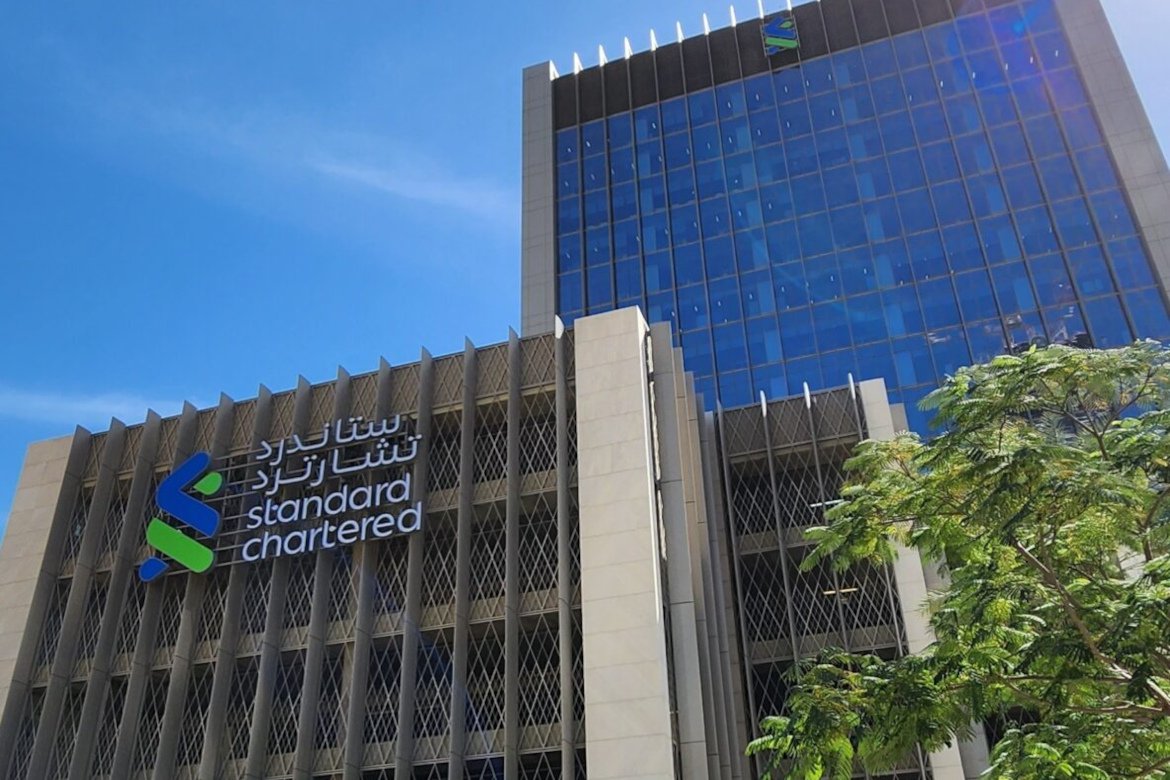
Standard Chartered becomes custodian for 21shares’ crypto ETPs, delivering compliance-focused custody as institutional demand for digital asset investment expands. Photo: Standard Chartered
Standard Chartered has agreed to provide digital asset custody services for 21Shares, one of the globe’s foremost issuers of crypto Exchange Traded Products (ETPs). This move signifies a deeper commitment by traditional financial institutions (TradFi) to the cryptocurrency sector.
However, the announcement raises immediate questions regarding the future positioning and role of Zodia Custody, the digital asset custodian that Standard Chartered co-founded.
21Shares intends to provide institutional investors with a wider and more secure range of solutions by utilizing Standard Chartered’s extensive global experience. Specifically, the collaboration leverages the bank’s status as a top international cross-border institution, its rigorous risk management protocols, and its innovative digital asset custody services.
By integrating a major bank’s services, the collaboration aims to foster a more mature and reliable environment for the adoption of cryptocurrencies and their related products.
“We are excited to offer our digital asset custody services to ETP providers and other institutions, enabling them to meet the highest standards of safety and compliance. Working with 21shares as their digital asset custodian allows us to extend our expertise into the fast-evolving digital asset ecosystem and support digital asset-linked products, providing institutional investors with the assurance they require,” Margaret Harwood-Jones, Global Head of Financing and Securities Services at Standard Chartered, stated.
The Zodia Question
Zodia Custody is a crypto-native custodian that 21Shares partnered with in late June 2024. As of now, it is unclear whether the new arrangement will result in Standard Chartered replacing Zodia Custody entirely or if the two entities will continue to operate in parallel for 21Shares.
This shifting landscape reflects a broader industry trend where established financial institutions are increasingly launching proprietary crypto services, often leveraging their reputation to compete with specialized crypto firms.
Other Major Financial Institutions Follow Suit
Standard Chartered is not alone in deepening its crypto involvement. Several other major banks are making similar strategic moves.
US Bancorp, a large US multinational financial services firm, re-entered the crypto market in September. It relaunched its digital asset custody services, targeting investment managers specifically. This service had originally debuted in 2021 but was discontinued due to a challenging regulatory environment at the time.
In mid-August, reports indicated that Wall Street heavyweight Citigroup is currently considering plans to offer both cryptocurrency custody and payment services.
Apart from this, a similar trend extends to Europe. In July, Deutsche Bank, Germany’s largest bank, revealed its plans to allow clients to store cryptocurrencies, which aligns with a wider push in the nation.
The creation of MoonPay Trust Company is a clear indication of MoonPay’s focus on institutional and enterprise customers.
By Julia Sakovich
Published:
Updated:
MoonPay has obtained a New York trust charter, giving the company approval to custody digital assets and operate under one of the most rigorous regulatory frameworks in the United States. Photo: Michael Förtsch / Unsplash
MoonPay, the leading provider of crypto payment solutions globally, announced a major regulatory breakthrough. The New York State Department of Financial Services (NYDFS) has granted a charter to MoonPay Trust Company LLC, a New York Limited Purpose Trust Company (LPTC).
🗽 MoonPay is now authorized by NYDFS to operate MoonPay Trust Company in New York!
🍎 this expanded regulatory footprint unlocks digital asset custody and OTC trading for our financial infrastructure
The newly acquired charter enables MoonPay to offer essential digital asset services, specifically custody and over-the-counter (OTC) trading, under one of the world’s most stringent and respected regulatory frameworks. This milestone reinforces the company’s commitment to building secure, compliant, and scalable financial infrastructure.
Ivan Soto-Wright, co-founder and CEO of MoonPay, claimed:
“Receiving our New York Trust Charter reflects our commitment to meeting the highest standards of compliance, security, and governance. It enables us to deepen relationships with global financial institutions, expand our regulated service offerings, and continue bridging traditional and digital finance in a trusted way.”
Joining an Exclusive Regulatory Club
The approval places MoonPay in an elite category of digital asset companies operating in New York. The company now joins industry heavyweights, including prominent names like Coinbase, PayPal, and Ripple, that have secured both the NYS BitLicense and a New York Limited Purpose Trust Charter.
This launch expands MoonPay’s regulated presence worldwide, complementing its existing financial licenses across multiple international jurisdictions. The creation of MoonPay Trust Company is a clear indication of its focus on institutional and enterprise customers.
Apart from this, the new Trust Company also provides a potentially compliant pathway for future stablecoin issuance, although any additional services will require explicit approval from the NYDFS.
The introduction of KlarnaUSD positions Klarna as the first bank to introduce a stablecoin on Tempo, a blockchain recently launched by Stripe and Paradigm.
By Julia Sakovich
Published:
Updated:
Klarna releases KlarnaUSD, marking its entry into the growing stablecoin economy. Photo: Klarna
The Swedish financial technology company Klarna, renowned for its “buy now, pay later” services, announced the introduction of KlarnaUSD. This new stablecoin is pegged to the US dollar and is designed to make payments faster and cheaper. This move represents a significant change in direction for CEO Sebastian Siemiatkowski, who had previously been dismissive of cryptocurrencies.
Sebastian Siemiatkowski, co-founder and CEO of Klarna, commented on the company’s new initiative:
“With 114 million customers and $112 billion in annual GMV, Klarna has the scale to change payments globally: with Klarna’s scale and Tempo’s infrastructure, we can challenge old networks and make payments faster and cheaper for everyone. Crypto is finally at a stage where it is fast, low-cost, secure, and built for scale. This is the beginning of Klarna in crypto, and I’m excited to work with Stripe and Tempo to continue to shape the future of payments.”
This initiative positions Klarna as the first bank to introduce a stablecoin on Tempo, an independent, specialized blockchain designed for payments and recently launched by Stripe and Paradigm. Given that cross-border payments currently incur approximately $120 billion in annual transaction fees, Klarna views stablecoins as a critical tool for significantly cutting costs for both consumers and businesses.
Stablecoin transactions have grown to over $27 trillion annually. With new regulatory clarity emerging in the United States and Europe, major corporations are gaining the confidence to develop their own offerings. Klarna is quickly capitalizing on this growing market.
Infrastructure and Competitive Landscape
The stablecoin is being built using Open Issuance by Bridge, a stablecoin platform owned by Stripe. This partnership is a natural evolution, as Klarna and Stripe already collaborate across 26 global markets.
Klarna’s entry puts it in direct competition with other major financial players who have recently launched their own stablecoins. This shortlist of mainstream payments firms includes PayPal, which debuted its stablecoin in 2023, and Stripe, which launched its own after the $1.1 billion acquisition of Bridge.
Strong Financial Position Supporting the Pivot
Klarna is venturing into crypto from a position of financial strength. The company recently completed its listing on the NYSE, raising $1.37 billion. In the third quarter, Klarna exceeded analyst forecasts by reporting 23% growth in gross merchandise volume and achieving $903 million in revenue.
Despite its stock trading near 52-week lows, the company maintains extremely strong liquidity, providing the necessary resources to develop and push new products like KlarnaUSD. Klarna is planning to announce new partnerships in the coming weeks. The company aims to secure its position as stablecoins increasingly become essential infrastructure for global payments.